Pack light, loose layers in breathable fabric, add a warm jacket for the night, and bring a long scarf plus closed shoes. The Sahara swings from scorching afternoons to genuinely cold nights, so what to wear in the Sahara Desert comes down to clothing you can add and remove as the temperature moves, rather than a single outfit you keep on all day.
Most travelers reach the dunes near Merzouga or Erg Chegaga on a tour from Marrakech, often spending a night at a desert camp. That means you are dressing for a hot day, a cold night, a camel ride, and plenty of fine sand. Below is a practical, section-by-section guide to getting it right.
Key takeaways
Dress in light, loose layers so you can cover up against midday sun and add warmth for cold desert nights.
In Merzouga, July days average around 42 degrees Celsius while January nights drop to roughly 7 degrees, so one outfit will not carry you through a trip.
Choose long, breathable clothing with sun coverage: UPF 50 fabric blocks about 98 percent of UV rays.
Closed shoes or sturdy sandals plus a long scarf for your head and face handle sand, camel rides, and camp evenings.
Adjust by season: ventilation and sun cover in summer, a warm jacket and hat in winter.
What to Wear in the Sahara Desert: Why Layering Matters
The single most important rule for what to wear in the Sahara Desert is to build your outfit from layers. Deserts lose heat fast once the sun goes down because the dry air and bare sand hold almost no moisture to trap warmth. The result is a large gap between daytime and nighttime temperatures.
The numbers make the case. In Merzouga, the gateway to the Erg Chebbi dunes, the average July high is around 42 degrees Celsius while the average July low still sits near 30 degrees. Come winter, the average January high is roughly 17 degrees but the average low falls to about 7 degrees, according to climate data for Merzouga. An afternoon that feels like a furnace can turn into an evening where you reach for a fleece.
Layering lets you respond to that. A light base layer keeps you cool and wicks sweat during the day. A mid layer such as a fleece or light sweater goes on as the sun drops. An outer jacket blocks wind and holds in warmth after dark. You peel layers off in the heat and pile them back on at night, all from the same small bag.
Lightweight, Breathable Fabrics and Sun Coverage
Covering up beats stripping down. Long sleeves and long trousers in a loose cut keep direct sun off your skin while still letting air move, which is why desert residents have worn flowing robes for centuries. Tight, heavy clothing traps heat and leaves skin exposed to burn.
Reach for natural or technical fabrics that breathe:
Cotton is cheap, soft, and airy, ideal for loose shirts and trousers.
Linen is even more breathable and dries quickly.
Merino wool sounds counterintuitive but regulates temperature well and resists odor over multiple days.
Moisture-wicking synthetics made for hiking move sweat away and dry fast.
Sun coverage is not optional here. Desert UV is intense and regularly reaches the extreme end of the scale, with little cloud cover to soften it. Clothing is your first line of defense. Fabric rated UPF 50 blocks about 98 percent of UV rays, allowing only a fraction to reach your skin, as the Skin Cancer Foundation explains. Choose light colors to reflect heat, and pack high-SPF sunscreen for your hands, face, and any skin that stays uncovered. Seek shade in the hours around noon when the sun is strongest.
Footwear for Sand, Camps, and Camel Rides
You will mostly be walking short distances on soft sand, climbing a dune for sunset, and stepping around a camp, so you do not need heavy boots. You do need to think about three situations.
Walking and dune climbing. Closed trainers or lightweight hiking shoes are the best all-rounders. They keep hot sand off the tops of your feet and give grip on loose slopes. Sand will still get inside, which is normal, so pack a spare pair of socks.
Around camp. Bring sandals or flip-flops to let your feet breathe once you arrive. They are easy to slip on and off at the tent and comfortable in the evening.
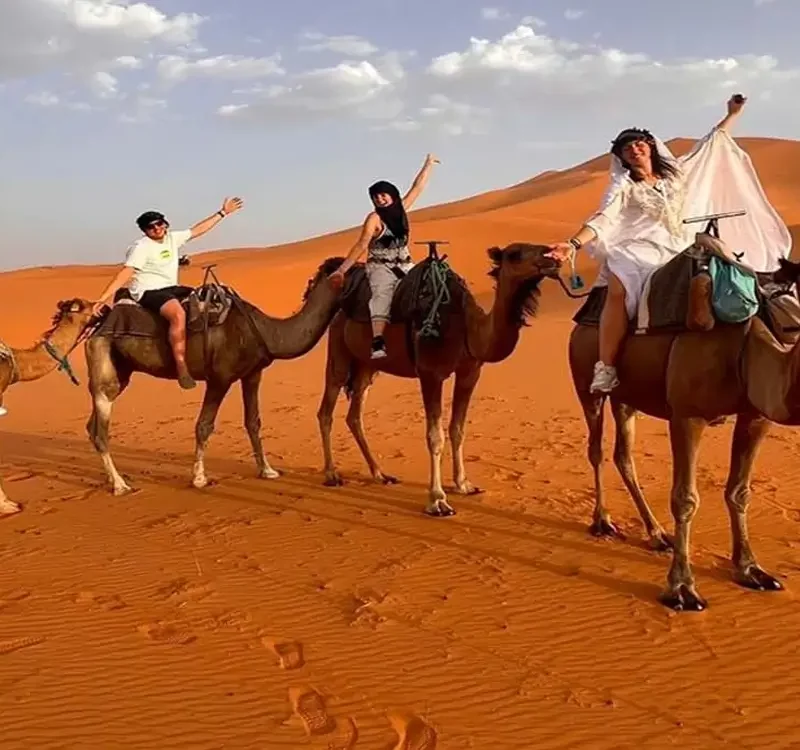
Camel rides. Almost every desert tour includes a short camel trek to or from camp. You ride with your feet dangling, so closed shoes are fine, but many people find it easiest to go barefoot or in sandals. Avoid anything you would be upset to see scuffed by sand.
Head Protection and the Classic Desert Scarf
If you pack one specialized item, make it a long scarf. The Berber cheche, a length of cotton several meters long, is wrapped around the head and face and is worn across the Moroccan Sahara for good reason. It shades your head and neck, and on windy days you pull it across your mouth and nose to keep out blowing sand. Many desert camps and guides will show you how to tie one, and local markets sell them cheaply.
Beyond the scarf, protect your eyes and head:
Sunglasses with full UV protection cut glare off bright sand and shield your eyes from grit.
A wide-brimmed hat works if you prefer it to a scarf, though a hat can blow off in strong wind.
Lip balm with SPF matters more than people expect in the dry air.
Cool Nights: What to Pack for Camp
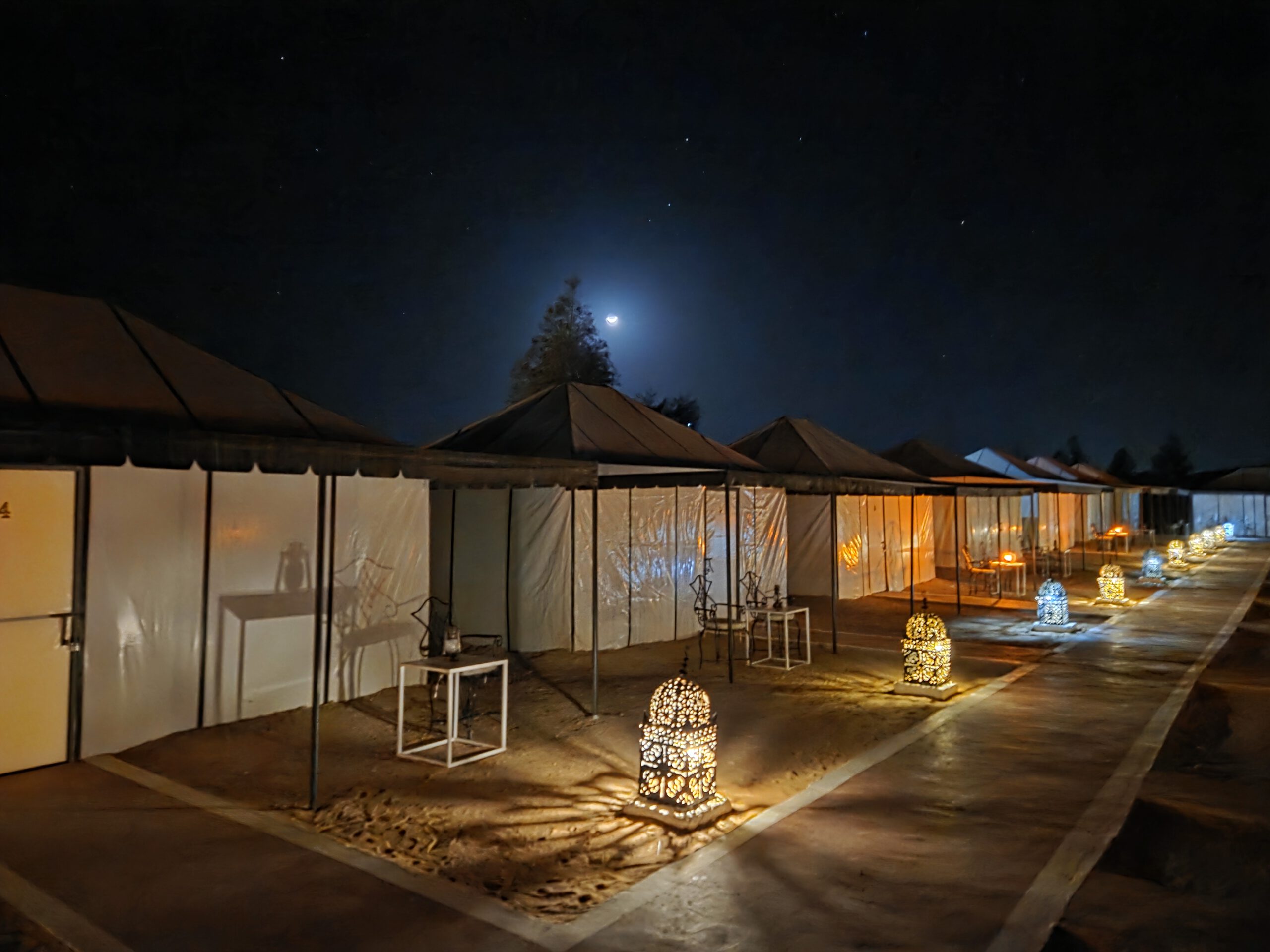
Once you are at camp, the desert evening is one of the highlights of any trip, with clear skies and sharp stars. It is also when you will feel the cold most, so dress for it before the temperature drops rather than after.
Pack for the evening and early morning:
A warm fleece or insulated jacket for after sunset.
Long trousers and a long-sleeved top to swap in for shorts.
Warm socks and a light beanie for cold nights, especially in winter.
A small headtorch, since camps have limited lighting.
Most camps provide thick blankets and mattresses, so you do not need a sleeping bag for a standard tour. If you are planning the classic route out to the dunes, our 3-day Sahara desert tour itinerary from Marrakech lays out exactly what the overnight at camp involves.
What to Wear in the Sahara Desert
Seasonal Adjustments for Summer and Winter Visits
The core layering approach stays the same year round, but the emphasis shifts with the season.
Summer (June to September). Heat is the main challenge, with midday temperatures near or above 42 degrees. Prioritize ventilation and sun cover: loose, light-colored, long-sleeved clothing, a scarf, sunglasses, and plenty of water. Nights are mild compared with winter but still cool down, so bring one light layer. Avoid strenuous activity in the hours around noon.
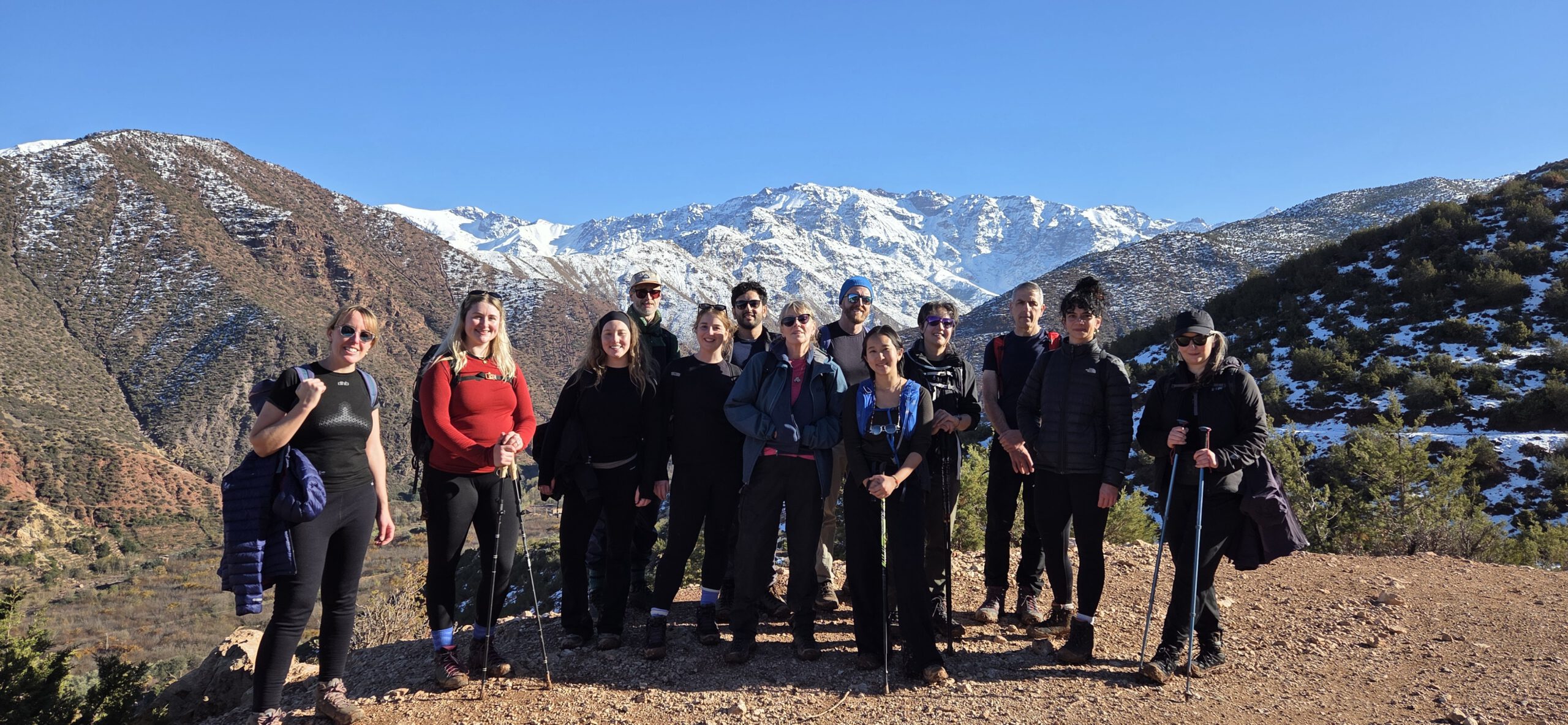
Winter (November to February). Days are pleasant and comfortable for walking, often in the high teens, but nights are genuinely cold, dropping to around 7 degrees in Merzouga and sometimes lower out on open sand. Bring a proper insulated jacket, a warm hat, gloves, and thermal layers for the evening and early morning. You will still want sun protection during the day, as desert UV stays high even when the air feels cool.
Spring and autumn are the most comfortable seasons overall, with warm days and cool nights, and your standard layered kit covers them with little adjustment.
Before you book, decide which dune field suits you, since the camps and drive times differ between Merzouga and Erg Chegaga. Lay out your layers the night before, test that everything fits in one small bag, and you will be ready for whatever the desert day throws at you.
Frequently asked questions
What should I wear in the Sahara Desert during the day?
Wear loose, light-colored, long-sleeved clothing in breathable fabric, closed shoes or sturdy sandals, sunglasses, and a scarf or hat for your head and neck. Covering up keeps the sun off and is cooler than exposing bare skin.
Is it cold in the Sahara Desert at night?
Yes. Desert temperatures drop sharply after sunset. In Merzouga, January nights average around 7 degrees Celsius, so pack a warm fleece or jacket, long trousers, and a hat even in warmer months.
What footwear is best for the Sahara Desert?
Closed trainers or lightweight hiking shoes protect your feet from hot sand and work well for walking. Pack sandals or flip-flops for relaxing at camp, and remember that bare feet are easiest for camel rides.
Do I need a scarf for the Sahara Desert?
A long cotton scarf is one of the most useful items you can bring. It shields your head and neck from the sun and can be wrapped over your mouth and nose to keep out blowing sand on windy days.
What should I wear in the Sahara in winter?
Layer a warm base, a fleece, and an insulated jacket, and add a wool hat and gloves for cold nights and early mornings. Daytime is mild and pleasant, so you will shed layers once the sun is up.