
Best Hikes in the High Atlas Mountains
The best hikes in the High Atlas Mountains range from the two-day push up Mount Toubkal, the highest peak in North Africa at 4,167 m (13,671 ft), to gentle valley circuits a beginner can finish in an afternoon. Your ideal route depends on three things: your fitness, your experience at altitude, and how many days you have. This guide walks through six options, from the iconic summit to remote traverses, so you can pick the one that fits.
Key takeaways
- Mount Toubkal at 4,167 m (13,671 ft) is the highest peak in North Africa and the most popular High Atlas hike, reachable in two or three days from Imlil.
- The M’Goun massif (around 4,071 m) suits experienced trekkers who want a long, remote multi-day route with fewer crowds.
- Village circuits around Imlil and the Azzaden Valley give beginners real mountain scenery without the altitude of a summit push.
- May to June and September to October bring the mildest weather and clearest trails across most of the range.
- Match the hike to your fitness and altitude experience first, then pick the season and length.
The High Atlas forms a long wall of rock and snow across central Morocco, much of it inside Toubkal National Park, the country’s first and oldest protected area. Trails thread past Amazigh (Berber) villages, terraced fields, and walnut groves before climbing into bare rock and scree. Below are the hikes worth building a trip around.
Why Does Mount Toubkal Top the List?
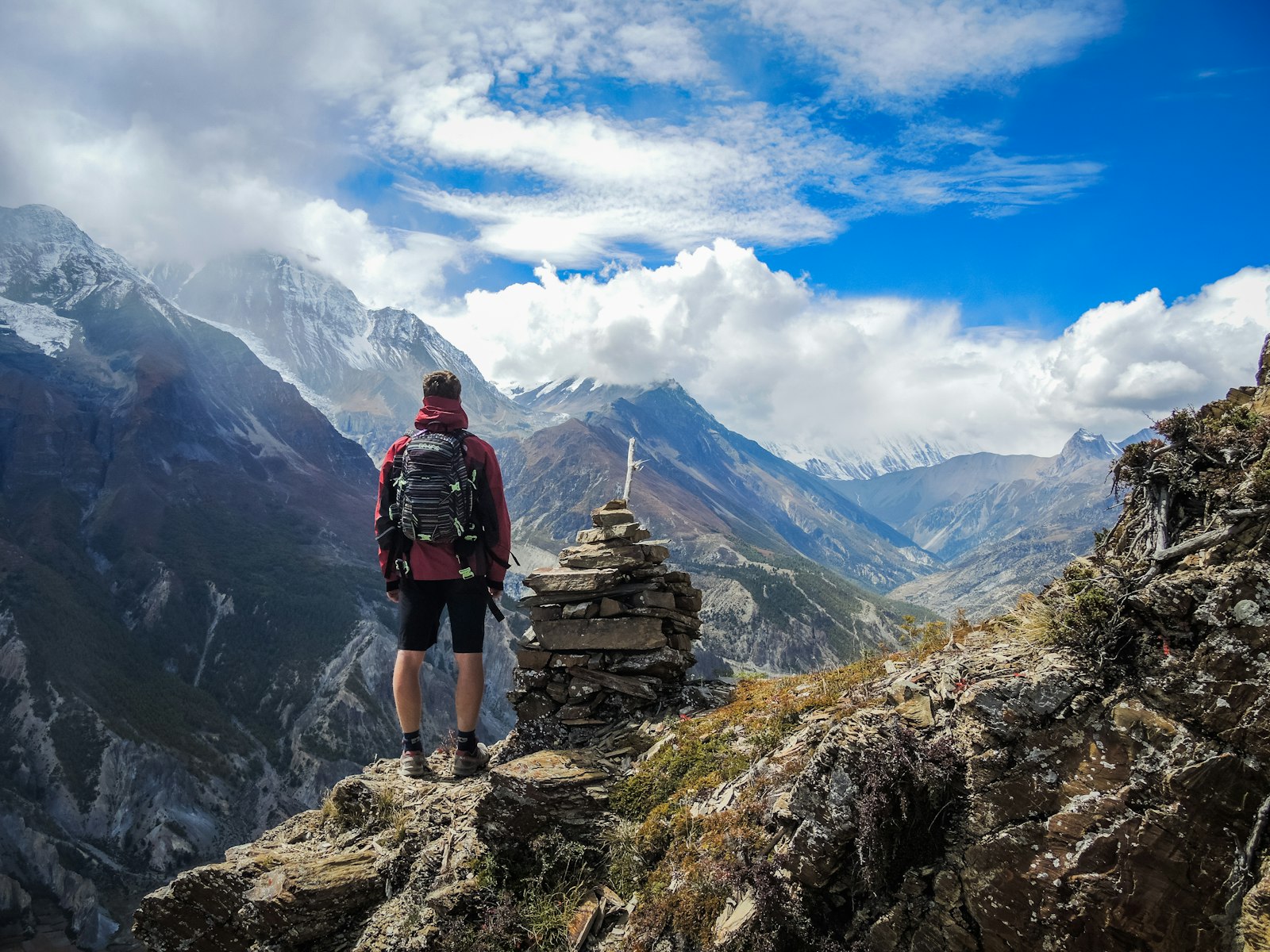
Mount Toubkal is the highest peak in Morocco, the Atlas Mountains, and all of North Africa, standing at 4,167 m (13,671 ft) (national-parks.org). That single fact makes it the headline hike of the range, and for good reason: it rewards ordinary walkers with a genuine high summit and no technical climbing in summer.
The standard route starts in Imlil, a trailhead village at roughly 1,740 m about 63 km south of Marrakech. From there you climb to the Toubkal Refuge at around 3,207 m, sleep, then push for the summit before dawn. The whole thing is commonly done in two or three days.
The climb is long rather than dangerous in good conditions. The main challenges are the elevation gain of roughly 2,400 m and the thinner air near the top. If you want an honest read on the effort involved, see how hard the Mount Toubkal trek really is before you book.
Is the M’Goun Massif Right for Experienced Trekkers?
The M’Goun massif, topping out near 4,071 m, is the choice for seasoned long-distance walkers who want solitude over a famous summit. It sits among the three highest peaks in the Atlas, alongside Toubkal and Ouanoukrim, yet sees a fraction of the foot traffic.
M’Goun treks are measured in days, not hours. Classic itineraries cross high passes, follow river gorges, and stay in remote hamlets where few tourists pass through. The reward is a traverse that feels wild, with long stretches where you see more shepherds than other hikers.
This is not a first mountain trip. You need stamina for consecutive long days, comfort on exposed ridges, and a tolerance for basic accommodation. Go with a guide who knows the water sources and the weather, because the terrain is unforgiving if a storm rolls in.
What Can You Expect From Village Circuits Around Imlil and the Azzaden Valley?
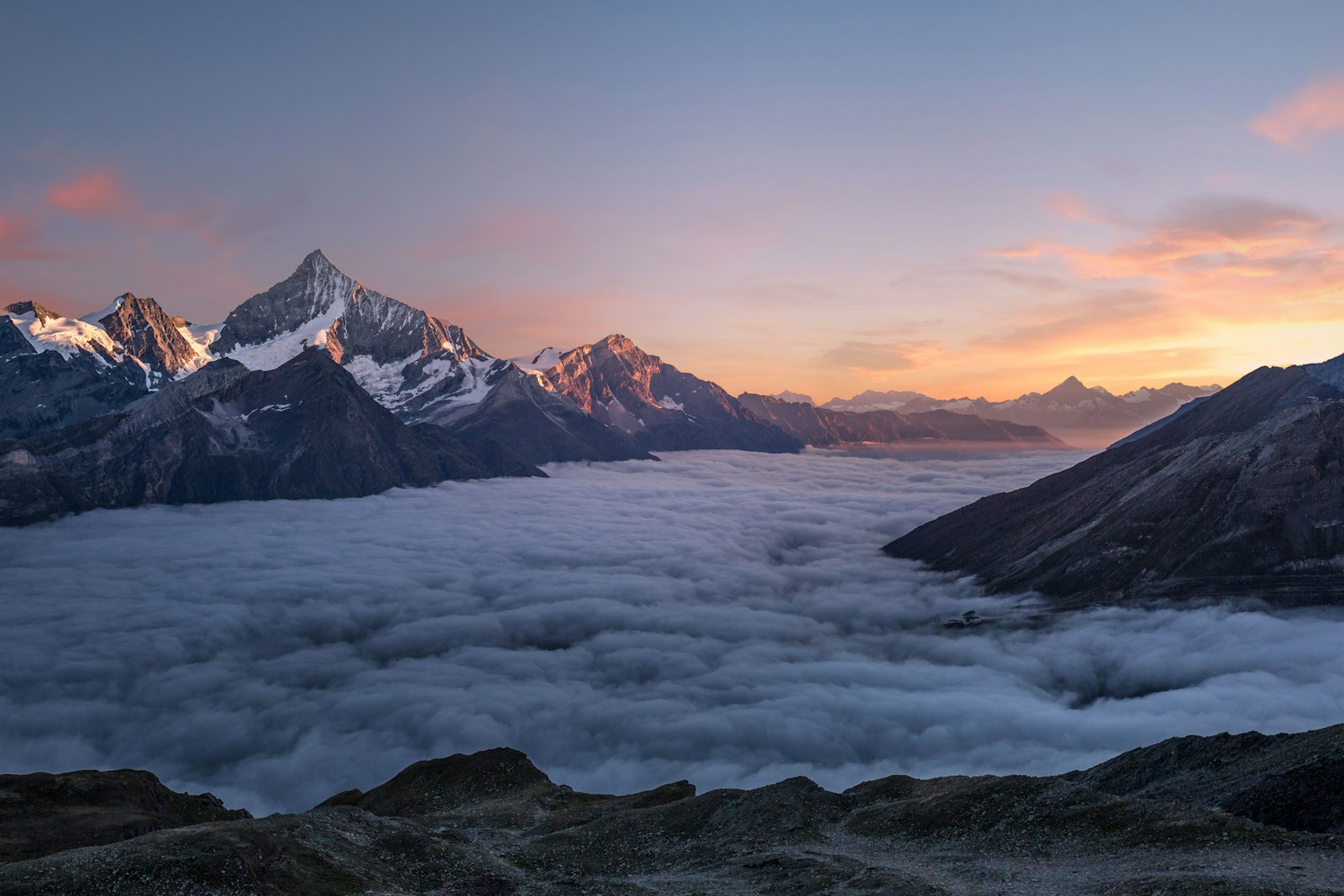
Village circuits around Imlil and the neighboring Azzaden Valley deliver the scenery of the High Atlas without the demand of a summit. These loops link Amazigh villages by mule paths, climbing gently through terraced fields, walnut groves, and juniper slopes rather than onto bare peaks.
A typical circuit runs one to three days, with nights in village guesthouses or small gites. You walk from hamlet to hamlet, cross a modest pass or two, and drop into valleys where daily life still turns on farming and herding. The Azzaden Valley, just west of Imlil, is quieter than the main Toubkal corridor and keeps a slower rhythm.
These routes suit travelers who care as much about people and culture as about summits. The walking is real but manageable, and the altitude stays low enough that most reasonably fit visitors cope well.
Which Short Day Hikes Suit Beginners?
Short day hikes in the High Atlas give beginners a taste of the mountains with little risk and plenty of flexibility. Around Imlil, a half-day walk to the hamlet of Aroumd or up toward the Kasbah du Toubkal viewpoint offers big valley views on well-trodden paths you can turn back from at any point.
Further east, the Ourika Valley is a popular day-trip option from Marrakech, with riverside trails leading to a series of waterfalls at Setti Fatma. The ground is uneven in places, but the distances are short and the elevation gain is gentle.
For beginners, the appeal is control. You choose how far to go, you are rarely far from a village or a cafe, and you can test your legs before committing to anything bigger. These walks also work well as an acclimatization warm-up for a later summit attempt.
What Makes Remote Multi-Day Traverses Special?
Remote multi-day traverses take you past the day-trip crowds into the quiet heart of the range. Beyond the Toubkal and M’Goun corridors, routes link high passes, isolated valleys, and villages that see few outsiders, often running four days or longer with full camping or gite support.
These traverses trade comfort for depth. You might cross a 3,000 m col in the morning, descend to a river village by afternoon, and share bread with a family who rarely meets foreign walkers. Water, weather, and navigation all demand planning, which is why most people travel with a guide and mules carrying the loads.
The payoff is a side of the Atlas that fly-in summit hikers miss entirely. If you have a week or more and some trekking experience, a traverse turns a mountain into a journey. Toubkal Treks runs this style of extended route for travelers who want to go well beyond the standard summit itinerary.
How Do You Pick the Best High Atlas Mountains Hike for Your Ability?
Start with honesty about your fitness and your altitude experience, then let season and available days narrow the choice. A first-time mountain walker is better served by Imlil village circuits or an Ourika day hike than by a 4,000 m summit on day two of the trip.
Use this quick guide to match ability to route:
- New to hiking: short day walks around Imlil, Aroumd, or the Ourika Valley.
- Fit but new to altitude: one to three day village circuits in the Imlil or Azzaden areas.
- Experienced and acclimatized: the Mount Toubkal ascent over two or three days.
- Strong, seasoned trekkers: the M’Goun massif or a remote multi-day traverse.
Timing matters as much as the route. May to June and September to October bring the mildest weather and clearest trails, while winter turns the high peaks into a snow and ice environment for equipped mountaineers only. For a month-by-month breakdown, check the best time to climb Mount Toubkal.
The smartest next step is to pick one hike that matches your current ability, not your ambition, and build the rest of your Morocco trip around it. Book a licensed guide, give yourself a day to acclimatize, and let the mountains decide how far you climb next time.
Frequently asked questions
What is the best hike in the High Atlas Mountains?
For most visitors, the Mount Toubkal ascent is the standout. At 4,167 m it is the highest point in North Africa, yet it needs no technical climbing in summer and can be done in two to three days from the village of Imlil.
Do you need a guide to hike in the High Atlas?
A licensed mountain guide is required on Mount Toubkal and strongly advised elsewhere. Guides handle permits, navigation, and altitude pacing, and they open doors to Berber villages that independent walkers rarely see.
When is the best time to hike the High Atlas Mountains?
May to June and September to October offer the mildest temperatures and clearest trails. Summer is hot at lower elevations, and winter turns the high peaks into a snow and ice environment that needs mountaineering skills.
Are there easy hikes in the High Atlas for beginners?
Yes. Short day walks around Imlil, the Azzaden Valley, and the Ourika region follow gentle valley paths past walnut groves and villages, with little altitude gain and the option to turn back at any point.