7-Day Private Journey Marrakech Imlil Mount Toubkal and Essaouira

0

7-Day Private Journey Marrakech Imlil Mount Toubkal and Essaouira Detail

7-Day Private Journey Marrakech Imlil Mount Toubkal and Essaouira

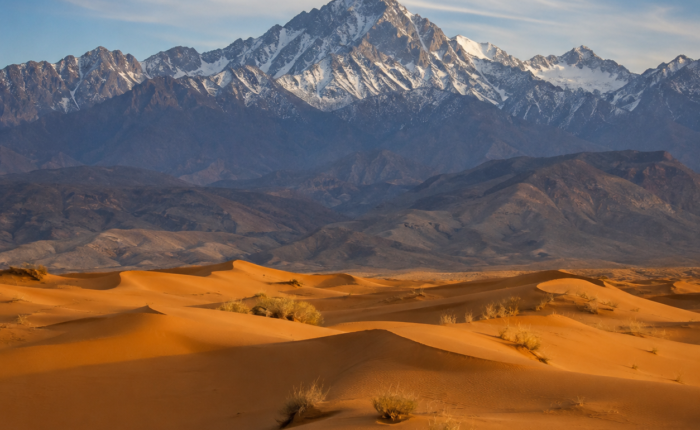
This itinerary blends the two souls of Morocco that Toubkal Treks knows best: the thin, dazzling air of the High Atlas and the salt-laced wind of the Atlantic coast. You will walk in the footsteps of Berber shepherds up the Mizane Valley, sleep a night among climbers from around the world at 3,207 metres, stand on the highest point in North Africa, and then trade granite for ocean spray in the fortified port town of Essaouira — all without changing hotels more than once every two nights.

Trip Overview

   
Duration 7 Days / 6 Nights
Start / End Marrakech (Menara Airport)
Trek Grade Moderate to Strenuous — good fitness required, no technical climbing skills needed
Maximum Altitude 4,167m (Jbel Toubkal summit)
Group Size Private — just you, your travel companions, your guide, and your muleteer
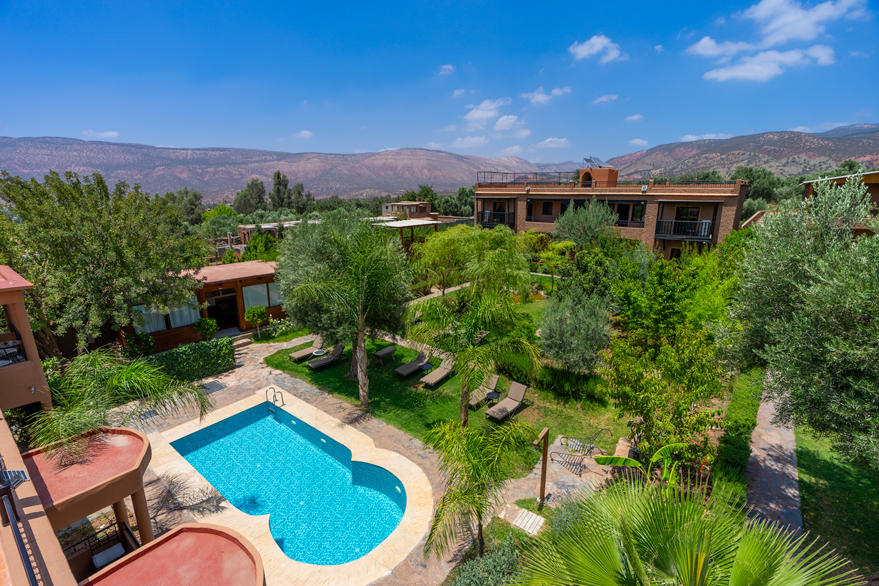
Accommodation Boutique riad (Marrakech), mountain gîte (Imlil), Toubkal refuge, kasbah-style hotel (Ouirgane), medina riad (Essaouira)
Best Season April–June and September–November (snow ascent with crampons possible December–April)
Included Support Licensed IFMGA/UIAGM or National Mountain Guide, mule & muleteer for luggage, all trekking transfers


Trip Highlights

  • Summit Jbel Toubkal (4,167m), the highest peak in North Africa and the Arab world
  • Trek through the Toubkal National Park, Morocco’s first protected national park (est. 1942)
  • Overnight at the historic Toubkal Refuge (Refuge Les Mouflons / Neltner), built in the 1930s by French alpinists
  • Visit the pilgrimage shrine of Sidi Chamharouch, painted white and set beside a mountain waterfall
  • Walk through terraced Berber villages including Imlil and Aroumd, still farmed exactly as they were generations ago
  • Explore the UNESCO-listed medina of Marrakech and the fortified sea-ramparts of Essaouira
  • Travel with a private, English-speaking mountain guide and a mule to carry your gear — you walk with only a daypack

Price Includes

  • Round Transport pick-up and drop-off in Marrakech
  • Expert mountain guides
  • Local trekking team and mule handlers
  • 6 nights' accommodation as described (riad, gîte, refuge, hotel)
  • All Meals During Toubkal Trek And Break Fasts in the hotels Marrakech and Essaouira
  • Mule and muleteer to carry Your luggage during the trek
  • Marrakech and Essaouira guided walking tours

Price Excludes

  • Travel insurance.
  • Soft/alcoholic drinks
  • Tips and personal expanses
  • Lunches during road-trip Marrakech and Essaouira

Itinerary

Day 1 — Arrival in Marrakech & Medina Discovery

Overnight: Riad in Marrakech medina | Meals: Dinner

Your guide meets you at Marrakech Menara Airport and transfers you to a traditional riad tucked inside the medina walls. Once you’ve settled in, we set out on foot for an orientation walk through the old city — the perfect gentle warm-up before the mountains. You’ll pass beneath the towering Koutoubia Minaret, wander the spice-scented alleys of the souks, and end at Jemaa el-Fna, the great square that comes alive at dusk with storytellers, orange-juice stalls, and the smoke of open-air grills. Your guide will also brief you fully on the days ahead: pacing, altitude, gear checks, and what to expect on the mountain. Dinner is at a traditional restaurant overlooking the square.

A Brief History of Marrakech Marrakech was founded around 1070 CE by Abu Bakr ibn Umar, a leader of the Almoravid dynasty, and rose to prominence under his cousin Yusuf ibn Tashfin, who made it the capital of an empire stretching from Spain to Senegal. Its name is believed to derive from the Berber “Mur (n) Akush,” meaning “Land of God.” The Koutoubia Mosque, completed under the Almohads in the late 12th century, became the architectural blueprint for the Giralda in Seville and the Hassan Tower in Rabat. For nearly a thousand years Marrakech has been a crossroads of Saharan caravan trade, Andalusian craftsmanship, and Berber mountain culture — the very meeting point this itinerary is built to explore.

Day 2 — Marrakech to Imlil, Acclimatization Trek to Aroumd

Distance/Time: ~65km drive (1.5 hrs) + 3–4 hr trek | Elevation: Imlil 1,740m → Aroumd 1,850m Overnight: Mountain gîte in Imlil | Meals: Breakfast, Lunch, Dinner

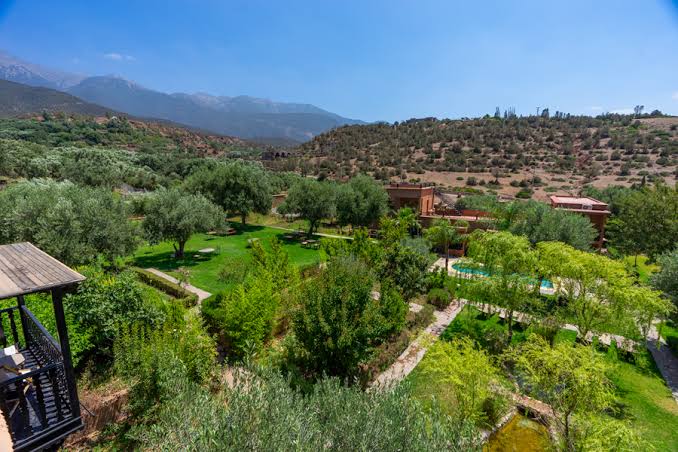
After breakfast, we drive south for roughly ninety minutes, watching the flat Haouz plain give way to the folded foothills of the High Atlas. In Imlil, the trailhead village at the entrance to Toubkal National Park, we meet our muleteer and mule, who will carry the group’s duffel bags for the remainder of the trek. From here we take a gentle acclimatization walk up the valley to the walnut-tree village of Aroumd, weaving between stone-walled terraces of barley and apple orchards, with sweeping views back down the Mizane Valley. This shorter day is designed deliberately: it lets your body begin adjusting to altitude before the harder days ahead. We return to Imlil for the night.

A Brief History of Imlil & the Mizane Valley Imlil sits at the mouth of the Mizane Valley in the territory of the Ait Mizane, a Berber (Amazigh) tribal confederation that has farmed and herded here for centuries. Long before trekking tourism arrived in the 1970s and 80s, Imlil was simply a farming and grazing hub, connected to Marrakech by mule tracks over the passes. Villages like Aroumd are built almost entirely from local stone and pisé (rammed earth), clinging to hillsides to preserve every possible strip of arable valley floor for crops. Toubkal National Park, established in 1942, was Morocco’s very first national park, created originally to protect the endemic Barbary thuya and the mountain’s fragile high-altitude ecosystem.

Day 3 — Ascent to Sidi Chamharouch & the Toubkal Refuge

Distance/Time: ~11km, 5–6 hrs trek | Elevation: Imlil 1,740m → Refuge 3,207m Overnight: Toubkal Refuge (Refuge du Toubkal / Neltner) | Meals: Breakfast, Lunch, Dinner

Today is the true beginning of the ascent. Leaving Imlil, the trail climbs steadily along the Mizane River through the last scattered villages before reaching Sidi Chamharouch, a striking pilgrimage shrine painted white and wedged into the rock beside a waterfall — this is also traditionally where non-Muslim visitors pause, as the shrine itself lies just beyond. We stop here for mint tea and a rest before the trail steepens into a series of switchbacks that climb through increasingly bare, high-mountain scenery. By afternoon the Neltner Refuge comes into view, tucked into a rocky amphitheatre at 3,207 metres. We settle in early, eat a hearty dinner, and get a full night’s rest — an early start awaits.

A Brief History of Sidi Chamharouch & the Toubkal Refuge Sidi Chamharouch is named for a saint venerated locally as the “king of the jnun” (spirits) in Berber folk Islam, and the shrine remains an active pilgrimage site to this day, particularly for those seeking healing. The refuge above it — often called the Neltner Refuge after the French geologist Louis Neltner who helped establish it — was built in the 1930s by French alpinists as Toubkal became a fixture of colonial-era mountaineering exploration. Rebuilt and expanded several times since (it is now also known as Refuge Les Mouflons), it remains the last shelter before the summit and a gathering point for climbers of every nationality preparing for the same 4 a.m. departure you’ll make tomorrow.

Day 4 — Summit Day: Jbel Toubkal (4,167m) the Ouirgane Valley

Distance/Time: ~4 hrs up, ~3 hrs down to refuge, then 3 hrs down to Imlil | Elevation: 3,207m → 4,167m → 1,740m Overnight: Kasbah-style hotel, Ouirgane Valley | Meals: Breakfast, Lunch, Dinner

We leave the refuge before dawn, headlamps lighting a scree-and-boulder path that climbs through the South Cwm toward the summit ridge. As the sky lightens, the trail steepens for a final push — and then, after roughly four hours of climbing, you’re standing on the summit of Jbel Toubkal, marked by its distinctive pyramidal metal frame, with the entire High Atlas range and, on clear days, the edge of the Sahara unfolding below. After time to take it in, we descend back to the refuge for Lunch, collect our bags, and continue down to Imlil, where a private vehicle meets us for the short transfer to the quiet, orchard-filled Ouirgane Valley, where a hot shower and a proper bed await.

A Brief History of Jbel Toubkal At 4,167 metres, Toubkal is the highest peak not only in Morocco but in the entire Arab world and North Africa. The mountain takes its name from the Berber word believed to relate to “watchtower” or “vantage point,” reflecting its commanding position over the Souss plain and the Sahara’s northern edge. The first recorded European ascent was made in 1923 by the French Marquis de Segonzac with local Berber guides, opening the mountain to the mountaineering world; today it is climbed by an estimated tens of thousands of trekkers each year, the vast majority via the same Imlil–Sidi Chamharouch–Refuge route you have just followed.

Day 5 — Ouirgane to Essaouira, Mountains to Ocean

Distance/Time: ~3.5 hr drive | Overnight: Riad in Essaouira medina | Meals: Breakfast, Dinner

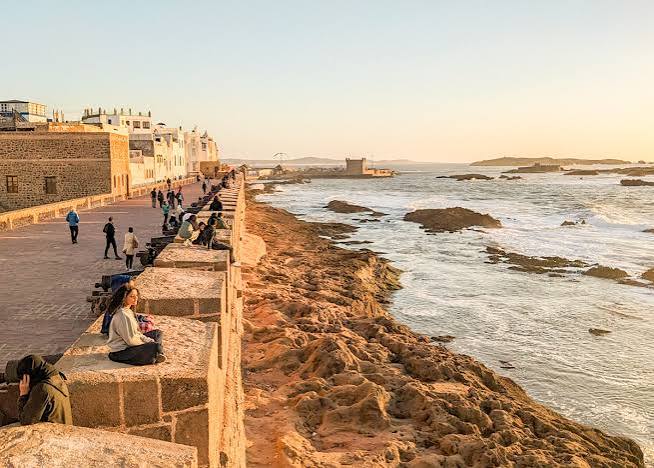
After a relaxed mountain breakfast and a well-earned lie-in, we drive west across the Chichaoua plains, trading granite peaks for argan groves and, eventually, the flat Atlantic light of Morocco’s coast. Watch for goats browsing in the branches of argan trees along the roadside — a scene unique to this region. By late afternoon we arrive in Essaouira, and the change in atmosphere is immediate: cooler air, crying gulls, and the blue-and-white fishing port replacing the mountain’s silence. The evening is free to wander the ramparts at sunset before dinner of freshly grilled fish at the port.

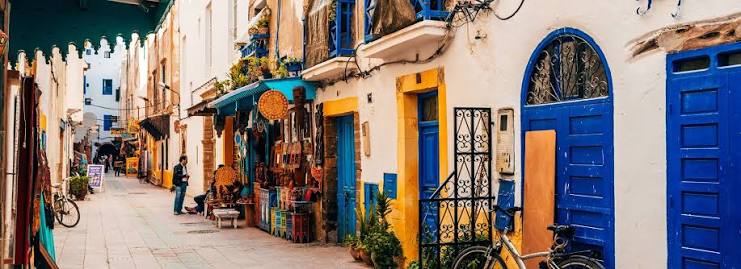
A Brief History of Essaouira Known historically as Mogador, Essaouira has been a trading port since Phoenician and Roman times, but the fortified town you see today was largely built in the 1760s under Sultan Mohammed ben Abdallah, designed by the French architect Théodore Cornut in a Vauban-style military fortification. It quickly became Morocco’s principal Atlantic trading port, home to a cosmopolitan community of Muslim, Jewish, and European merchants that gave the medina its distinctive layout and light. In the 20th century Essaouira drew artists and musicians — including a famous 1969 visit by Jimi Hendrix — and today its medina is UNESCO World Heritage-listed, its economy anchored by fishing, woodworking, and the region’s prized argan oil cooperatives.

Day 6 — Essaouira: The Wind City

Overnight: Riad in Essaouira medina | Meals: Breakfast

A full day to explore Essaouira at your own pace, with your guide available for a walking tour of the medina if you’d like one. Highlights include the working fishing port where wooden blue boats unload the day’s catch, the 18th-century Skala de la Ville sea bastion with its rows of antique cannons, and the woodworking souks where artisans carve fragrant thuya wood into inlaid boxes. Nature lovers can visit a nearby argan oil cooperative, run by local women’s collectives, to see the entire pressing process by hand. Free time in the afternoon for the beach, a hammam, or simply a mint tea on a rooftop terrace watching the kitesurfers ride Essaouira’s famous trade winds.

A Brief History of Essaouira’s Argan Country The argan tree grows almost nowhere else on Earth outside this stretch of southwestern Morocco, and its oil has been pressed by Berber women here for centuries, traditionally used both in cooking and as a skincare remedy. Since the 1990s, women’s cooperatives around Essaouira have formalized this tradition into a fair-trade industry recognized by UNESCO, which designated the Arganeraie Biosphere Reserve in 1998 to protect both the tree and the knowledge surrounding it.

Day 7 — Return to Marrakech & Departure

Distance/Time: ~2.5–3 hr drive | Meals: Breakfast

After a final breakfast overlooking the medina rooftops, we begin the drive back to Marrakech, arriving in time for your onward flight from Menara Airport (or an optional extra night in Marrakech if your schedule allows). Your guide will be with you until the moment of transfer, ready to help with any last souvenirs, questions, or route recommendations for a future Morocco trip.

Frequently Asked Questions

Prices

Availability & dates

This trek runs From Mat To October and can depart at any date of your preference.
We usually have several treks departing each week that you may join if you wish , please get in Touch!!
This trek is available to be booked independently (including transfers from Marrakech) or we can put together a full itinerary and quote to combine your trek with any of Marrakech, Essaouira, The Atlantic Coast and Sahara Desert

Accommodation

The Accommodation will be in the Toubkal Refuge, hotel in ouirgane, hotel or riads in Marrakech and Essaouira

Essential Equipment / Kit hire

Footwear

  • Broken-in, ankle-supporting hiking boots (waterproof recommended) — never bring brand-new boots
  • Lightweight camp shoes or sandals for the refuge in the evening
  • 3–4 pairs of hiking socks (wool or synthetic, not cotton), plus a thin liner sock pair to prevent blisters
  • Gaiters (useful in mud, scree, or snow — provided by us for winter ascents)

Clothing — Layering System

  • Moisture-wicking base layers (top and bottom) — avoid cotton, it stays wet and cold
  • Mid-layer fleece or light insulated jacket
  • Warm down or synthetic insulated jacket for the refuge and summit morning
  • Waterproof, windproof shell jacket
  • Waterproof trousers or shell pants
  • Trekking trousers (convertible/zip-off are handy for temperature swings)
  • Warm hat / beanie
  • Sun hat or cap with neck coverage
  • Gloves — a lightweight pair for hiking, a warmer insulated pair for summit morning
  • Buff or scarf for wind and sun protection

Trekking Gear

  • Trekking poles (strongly recommended, especially for the steep summit descent)
  • Headlamp with spare batteries — essential for the pre-dawn summit departure
  • Daypack (25–35L) with rain cover, to carry your daily essentials while the mule carries your main bag
  • Sleeping bag liner (silk or cotton) — for hygiene and extra warmth in the refuge dormitory
  • Reusable water bottles or a hydration bladder (2L total capacity)
  • Water purification tablets or a small filter, as backup

Winter-Specific Gear (Dec–Apr ascents only — provided by Toubkal Treks)

  • Crampons
  • Ice axe
  • Snow gaiters
  • Optional: helmet, if conditions warrant (your guide will advise)

Sun & Skin Protection

  • High-SPF sunscreen (UV is intense at altitude)
  • Lip balm with SPF
  • Sunglasses with strong UV protection and side coverage (glacier-style glasses recommended for winter/snow conditions)

Health & Personal Items

  • Personal first-aid kit: blister plasters, pain relief, any personal medication
  • Diamox (acetazolamide) if you and your doctor have discussed altitude prevention — optional, not mandatory
  • Hand sanitizer and a small pack of tissues/wet wipes (limited washing facilities at altitude)
  • Basic toiletries — keep it minimal for the refuge nights

Electronics & Extras

  • Phone/camera with spare battery pack — no reliable charging above Imlil
  • Power bank
  • Cash in Moroccan Dirhams (small bills) for tea stops, tips, and souvenirs
  • Earplugs (helpful in the shared refuge dormitory)

Provided by Toubkal Treks

  • Mule and muleteer for carrying main luggage from Imlil onward
  • Crampons and ice axe for winter conditions
  • Trekking poles available to rent/borrow if you don’t bring your own
  • First-aid kit carried by your guide

Quick tip: most of this gear (boots, poles, crampons, sleeping bag liners) can also be rented affordably in Imlil the day before the trek if you’d rather not travel with it all.

Start Point ? Finish Point?

  • You will be picked up from your accommodation in Marrakech city, many riads does not have access by car so the driver will park nearby and come to get you.
  • You will be droped off at the nearest point to your riad/hotel , our driver can call your riad to meet you if needed.

Do I need climbing or mountaineering experience to summit Toubkal?

No technical climbing skills are required for the standard summer route. You do need a solid level of fitness and comfort walking 5–7 hours a day on uneven, rocky terrain. In winter (roughly December–April), the summit push involves snow and ice, so we provide crampons and an ice axe and give a short briefing on using them.


How fit do I need to be?

If you can comfortably hike 5–6 hours over hilly terrain with a daypack, you’re in good shape for this trip. The acclimatization day in Imlil and Aroumd is built in specifically to ease you into the altitude before the harder summit push.


Will I get altitude sickness?

Mild symptoms — headache, slight breathlessness, fatigue — are common above 3,000m and are normal. Because the refuge sits at 3,207m and the summit at 4,167m, we keep the ascent gradual and build in the Day 2 acclimatization walk. Let your guide know immediately if you feel unwell; they’re trained to monitor this and will adjust pace or turn back if needed.


What's the best time of year to do this trek?

April–June and September–November offer the most stable conditions and are the most popular. July–August is doable but hot at lower elevations. December–March is a winter mountaineering ascent with snow and ice — beautiful, but more demanding and requires the crampon/ice-axe gear we provide.


What are the sleeping arrangements at the Toubkal Refuge?

The refuge offers dormitory-style rooms shared with other trekkers (not private rooms), with blankets provided — bring your own sleeping bag liner if you prefer extra warmth or hygiene. It has basic washing facilities but no hot showers at that altitude.


Do I need to carry my own bag during the trek?

No — a mule and muleteer carry the group’s main luggage from Imlil onward. You only carry a daypack with water, snacks, camera, and layers for the day.

Is this trip private, or will I be grouped with strangers?

This itinerary is entirely private for your party — just your group, your guide, and your muleteer. You won’t be merged with other travelers (though you will share the refuge dormitory with other climbers doing the same route, as it’s the only shelter at that point on the mountain).

What happens if the weather is too dangerous to summit?

Guide safety calls take priority over the itinerary. If conditions are unsafe, your guide may delay the summit attempt, adjust the route, or turn back before the top. This is rare in the main trekking season but more common in winter.


Can I do this trek if I only have a few days, not the full 7?

Yes — the Toubkal portion (Days 2–4) can be booked as a standalone 3-day trek, and we can also extend or shorten the Marrakech and Essaouira portions independently. Just let us know your timeframe.


Can children or older travelers join this trek?

The trek is best suited to travelers in good health, generally teens and up. There’s no strict age cutoff, but altitude and the summit day’s early, cold start make it more suitable for confident hikers than very young children. We’re happy to discuss suitability for your specific group.


What if I want to add the Sahara or skip Essaouira?

This itinerary is fully customizable — swap the coastal leg for a Sahara desert extension, add an extra acclimatization day, or shorten the trip. Just tell us what matters most to you and we’ll rebuild the plan around it.


How do you book & pay?

Find the trek you are interested in then contact us via E-mail to discuss your trek and check availability. Once the details of your trek (duration, route and number of people) have been agreed, we will make a provisional booking, giving the dates and cost.
To confirm your booking we ask you to pay a 20% deposit. This can be in Euros, pounds sterling or US dollars  online via bank account. The balance is paid in Morocco by cash – again in Euros, sterling or dollars – at the beginning of the trek.
NB: if you can’t carry cash, you can always pay again the balance online by bank few days before departure.

Wish List

Adding item to wishlist requires an account

Price

Book now & Pay Later

0
Full Name*
Email Address*
Your Enquiry*
* I agree with Terms of Service and Privacy Statement.
Please agree to all the terms and conditions before proceeding to the next step

Book With Confidence


No-hassle best price guarantee
Customer care available 24/7
Hand-picked Tours & Activities
Amazing Ser

Need Help?


+212.638.861.657

Contact@Toubkal-Treks.com