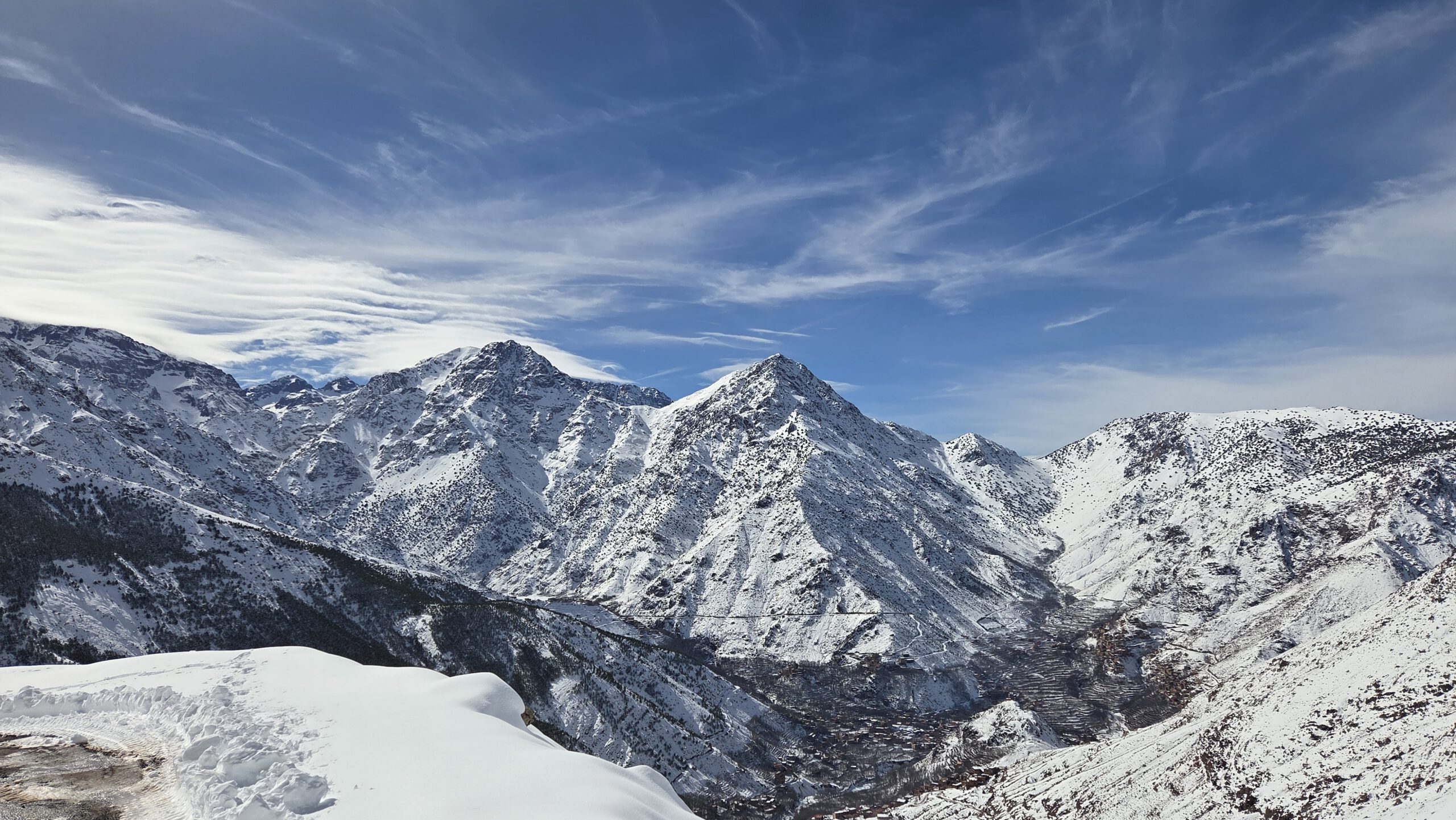
Sahara Desert Adventure Specifics & Hidden Route Logistics
The Sahara Desert, with its vast stretches of sand dunes and unique landscapes, offers adventurers an unparalleled experience. Planning a trip to this arid wonderland requires careful consideration of specificities and logistics to ensure a memorable journey. Understanding the best routes, weather conditions, and necessary gear will significantly enhance your adventure in one of the world’s most iconic deserts.
Understanding the Terrain
The Sahara spans several countries including Morocco, Algeria, Tunisia, and Egypt, each featuring distinct terrains. From the towering dunes of Erg Chebbi in Morocco to the rocky plateaus of the Tassili n’Ajjer in Algeria, each area presents unique challenges and opportunities for exploration. Researching your chosen destination is crucial for determining the best routes and understanding the physical demands of the terrain.
Best Time to Visit
The climate of the Sahara can be extreme, with scorching temperatures during the day and chilly nights. The ideal time for a Sahara adventure is between October and April when daytime temperatures are milder. During this period, travel becomes more manageable, allowing adventurers to explore without the risk of heat exhaustion. Furthermore, this window coincides with various cultural festivals across the region, enhancing the travel experience.
Essential Gear for Your Journey
Your packing list is vital for a successful Sahara adventure. Essential gear includes lightweight, breathable clothing, a high-quality sun hat, and durable hiking boots. Additionally, consider bringing a reliable water purification system, sunscreen, and a first-aid kit. Depending on your route, specialized equipment like a GPS device or a comprehensive map is also recommended to navigate safely through the desert’s hidden paths.
Navigating Hidden Routes
While many travelers stick to popular paths, exploring hidden routes can lead to breathtaking views and unique encounters. However, these less-trodden paths often lack signage and can be challenging to navigate. Hiring a knowledgeable local guide can provide invaluable insight into these hidden gems and ensure your safety. They can offer a deeper understanding of the local culture and help you avoid potential hazards.
Embracing Local Culture
Your Sahara adventure should not only focus on the landscape but also embrace the rich tapestry of cultures found within the desert. Engage with local Berber tribes, learn about their traditions, and savor authentic cuisine. Participating in cultural exchanges enriches your journey and builds a connection with the land and its people, making your Sahara experience truly unforgettable.