
Key takeaways
- Atlas mountains winter hiking runs roughly December through March, when snow settles on the higher trails and crowds thin out.
- Mount Toubkal, the highest peak in North Africa, demands crampons, an ice axe, and winter skills in snow season.
- Lower valley routes near Imlil stay walkable in winter, while summit attempts become technical mountaineering.
- A qualified local guide is the single most important safety decision for a winter trek in the High Atlas.
- Dress in layers, protect against wind, and plan for sub-zero temperatures and short daylight hours.
Atlas mountains winter hiking rewards you with snow-dusted peaks, empty trails, and a side of Morocco most visitors never see. From roughly December through March, the High Atlas trades its dusty summer crowds for crisp air, white summits, and villages wrapped in woodsmoke. The trade-off is simple: colder temperatures, shorter days, and real mountain conditions that ask for better gear and clearer judgment.
This guide walks through what winter actually offers, which routes stay open, the gear that matters, the safety calls you need to get right, and the best months to go.
What Winter Trekking in the Atlas Offers
Winter turns the High Atlas into a different mountain range. The same trails that bake under a hard sun in July become quiet, snow-lined paths with wide views and almost nobody on them. The range runs for hundreds of kilometres across Morocco, and its highest ground holds snow for months.
The scale is real. Mount Toubkal is the highest peak in both the Atlas range and all of North Africa, topping out above 4,000 m. Much of the surrounding terrain sits inside Toubkal National Park, created in the 1940s as one of Africa's earliest protected areas.
For many travelers the appeal is the contrast. You can be sipping mint tea in warm Marrakech in the morning and standing in deep snow a couple of hours later. Berber life carries on through the cold, and a winter visit gives you a genuine look at mountain communities outside the tourist season.
Snow-Dusted Peaks and Quiet Trails
Snow is the whole point, and it is dependable at altitude. Satellite observations have recorded two ski resorts operating in the Atlas, with "fairly regular snowfall each January and February" (NASA Earth Observatory). That same pattern dusts the trekking routes above the valleys.
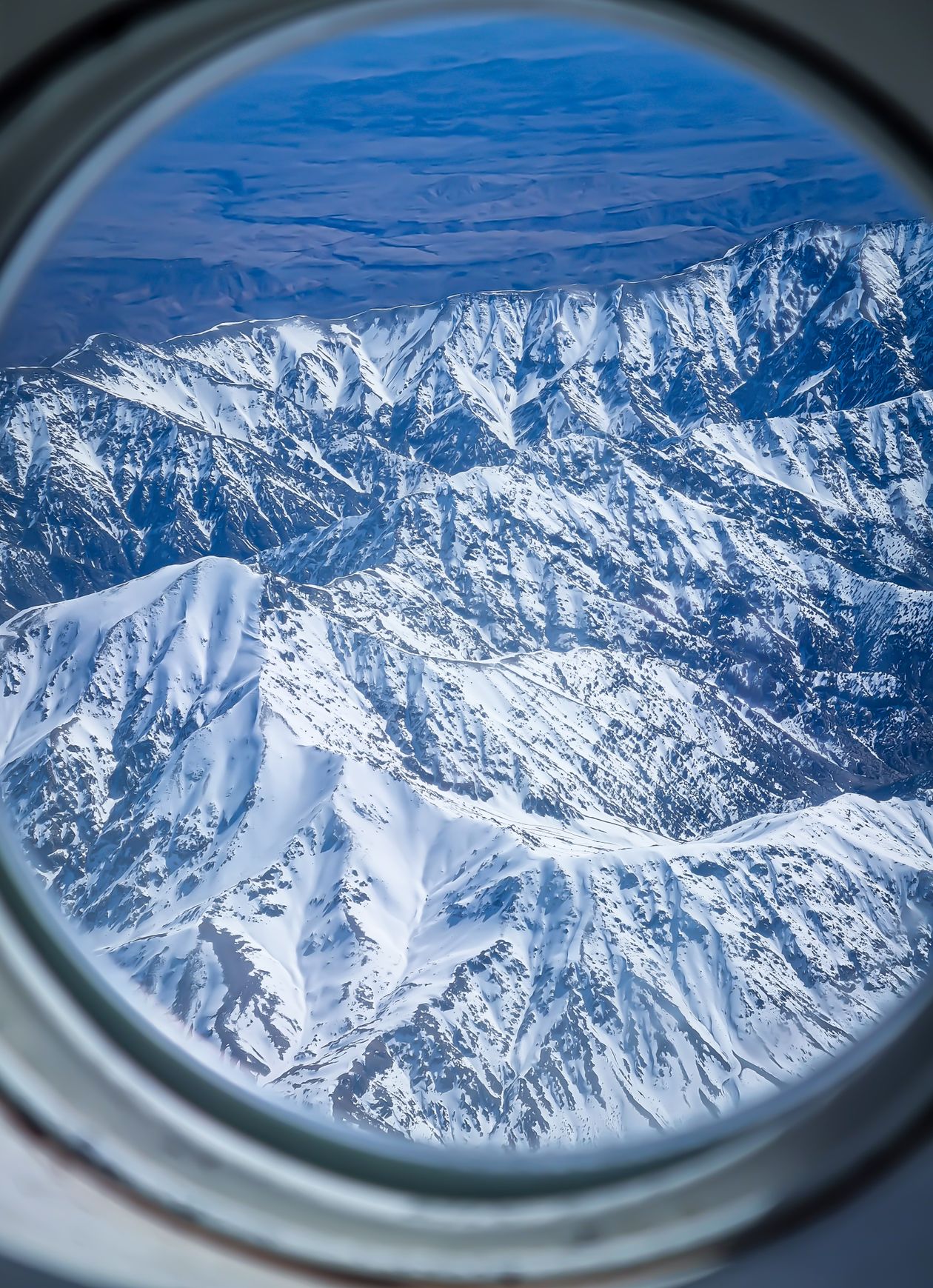
Big snow years make headlines. In early 2025, heavy snowfall blanketed higher mountain areas and triggered regional emergency measures across remote communities. For hikers, that kind of coverage means postcard scenery up high and the need to check conditions before committing to any route.
The quiet is the other reward. Summer sees steady foot traffic on the popular paths. In winter you often share the trail with a handful of trekkers and the occasional mule train, which makes the villages, the valleys, and the summits feel like they belong to you.
Which Routes Stay Accessible in Winter
Not every trail closes when it snows. The short answer: lower valley walks stay open all winter, while high routes and summits become serious undertakings. Your choice depends on experience, fitness, and how much snow you want underfoot.
Imlil, the main trailhead village, sits at a workable altitude and acts as the base for most winter trips. Valley walks from Imlil and nearby hamlets stay mostly snow-free and manageable with regular hiking boots and warm clothing. These are ideal for travelers who want winter scenery without technical climbing.
Climb higher and the picture changes fast. The Toubkal summit route turns into a snow and ice climb in winter, closer to mountaineering than hiking. Crampons, an ice axe, and avalanche awareness become essential. If a summit is your goal, read our dedicated Mount Toubkal winter ascent guide before you plan anything.
A rough guide to winter route choices:
- Valley and foothill walks (Imlil area): Accessible most of winter, standard hiking gear.
- Mid-altitude ridges and cols: Variable, may need crampons after snowfall.
- Toubkal refuge approach: Often snow-covered, winter skills recommended.
- Toubkal summit: Full winter mountaineering, guide strongly advised.
Essential Cold-Weather Gear and Layers
Good layering is what keeps a winter trek enjoyable instead of miserable. The goal is to trap warmth, move sweat away from your skin, and block wind, while staying flexible enough to add or shed layers as you climb and rest.
Build your clothing in three parts. A moisture-wicking base layer sits against the skin. An insulating mid layer, fleece or a light down jacket, holds heat. A windproof and waterproof shell goes on top. On exposed ridges, wind can make the air feel far colder than the thermometer suggests, so a reliable shell matters as much as insulation.
Beyond clothing, pack for the cold from head to toe:
- Insulated, waterproof boots stiff enough for crampons on high routes
- Warm hat, buff or neck gaiter, and two pairs of gloves (liner plus insulated)
- Thermal socks, with spares kept dry in your pack
- Sunglasses or goggles and high-factor sunscreen, since snow glare is intense
- Headtorch, because daylight is short and finishes early
- Insulated flask and plenty of high-energy food
For high snow routes, add crampons, an ice axe, and gaiters. A guided trip usually supplies the technical kit, which spares you from buying and flying with gear you may use once.
Safety Considerations and Guide Support
Winter conditions raise the stakes, so safety planning is where a winter trek is won or lost. Short daylight, sudden weather, cold injuries, and avalanche risk on loaded slopes all demand respect. The single most effective step for most visitors is simple: hire a qualified local guide.
A good guide reads the snowpack, picks a safe line, carries a first-aid kit, and knows when to turn around. They also handle the logistics, from refuge bookings to mule support, so you can focus on the walking. Toubkal Treks runs guided winter programs with local mountain leaders who know these valleys in every season, which removes much of the guesswork for first-time winter visitors.
Altitude adds another layer of care on higher routes. Even strong hikers can feel the effects above 3,000 m, and cold can mask early warning signs. Build in time to acclimatize and watch your group for headaches, nausea, or fatigue before any high winter objective.
A few non-negotiables for a safe winter day:
- Check the forecast and recent snowfall before you set out.
- Start early and set a firm turnaround time.
- Keep the group together and never push a summit in bad weather.
- Carry extra warm layers, food, and a means of communication.
Best Months for Atlas Mountains Winter Hiking
January and February are the heart of the winter season, with the most reliable snow and the classic white scenery. These months deliver the deepest cover on the high routes and the strongest case for crampons and a guide. They also bring the coldest nights and the shortest days.
December and March sit on either side as shoulder weeks. Early December can be cold but lightly covered, while March often holds good snow up high as the valleys begin to thaw. Conditions vary year to year, so treat any forecast as a starting point rather than a promise.
Expect cold, variable weather at altitude. Valleys stay cool but walkable, while high ridges and the Toubkal summit regularly drop below freezing, with wind driving the felt temperature lower still. Clear, calm days reward you with huge views. Storm days close the mountain down, and patience pays off more than ambition.
Winter in the High Atlas is one of Morocco's most striking experiences, and it is well within reach for prepared travelers. The best next step is to match your fitness and goals to the right route: browse our best hikes in the High Atlas Mountains, then decide whether a gentle valley trek or a guided summit push fits your winter plans.
Frequently asked questions
Can you hike the Atlas Mountains in winter?
Yes. Lower valley trails near Imlil stay accessible most of winter, while higher routes and the Mount Toubkal summit turn into snow and ice climbs that need winter gear and a guide.
How cold does it get hiking the Atlas Mountains in winter?
Valleys are cool but manageable, often near freezing at night. High ridges and the Toubkal summit regularly fall well below zero, and wind makes it feel much colder.
Do I need crampons to hike the Atlas Mountains in winter?
For high routes and any Toubkal summit attempt in snow season, yes. Crampons and an ice axe are standard, along with the training to use them. Low valley walks usually do not require them.
When is the best time for winter hiking in the Atlas Mountains?
January and February bring the most reliable snow and the classic winter scenery. Late December and March are quieter shoulder weeks with more variable conditions.