Key takeaways
- The best Atlas Mountains trekking tour depends on your fitness and time: day hikes for beginners, 2 to 7 day circuits for summit and valley combinations.
- Mount Toubkal, at 4,167 metres, is the highest peak in North Africa and the centrepiece of most High Atlas itineraries.
- Village-to-village trails through Berber communities such as Imlil, Aroumd, and the Ait Bougmez valley offer culture alongside scenery.
- Spring (April to June) and autumn (September to October) give the most reliable trekking weather for non-winter routes.
- A guided tour should include a licensed mountain guide, mule support, meals, and gite or refuge accommodation.
The right Atlas Mountains trekking tour comes down to three choices: how many days you have, how high you want to climb, and whether culture or summits matter more. This guide maps the main High Atlas routes, the Berber village trails, the multi-day circuits, and what a well-run guided tour should include, so you can book with confidence rather than guesswork. Toubkal Treks runs these itineraries year round from Marrakech, and the sections below reflect how the trails actually link together on the ground.
Which Atlas Mountains Trekking Tour Routes Are Best?
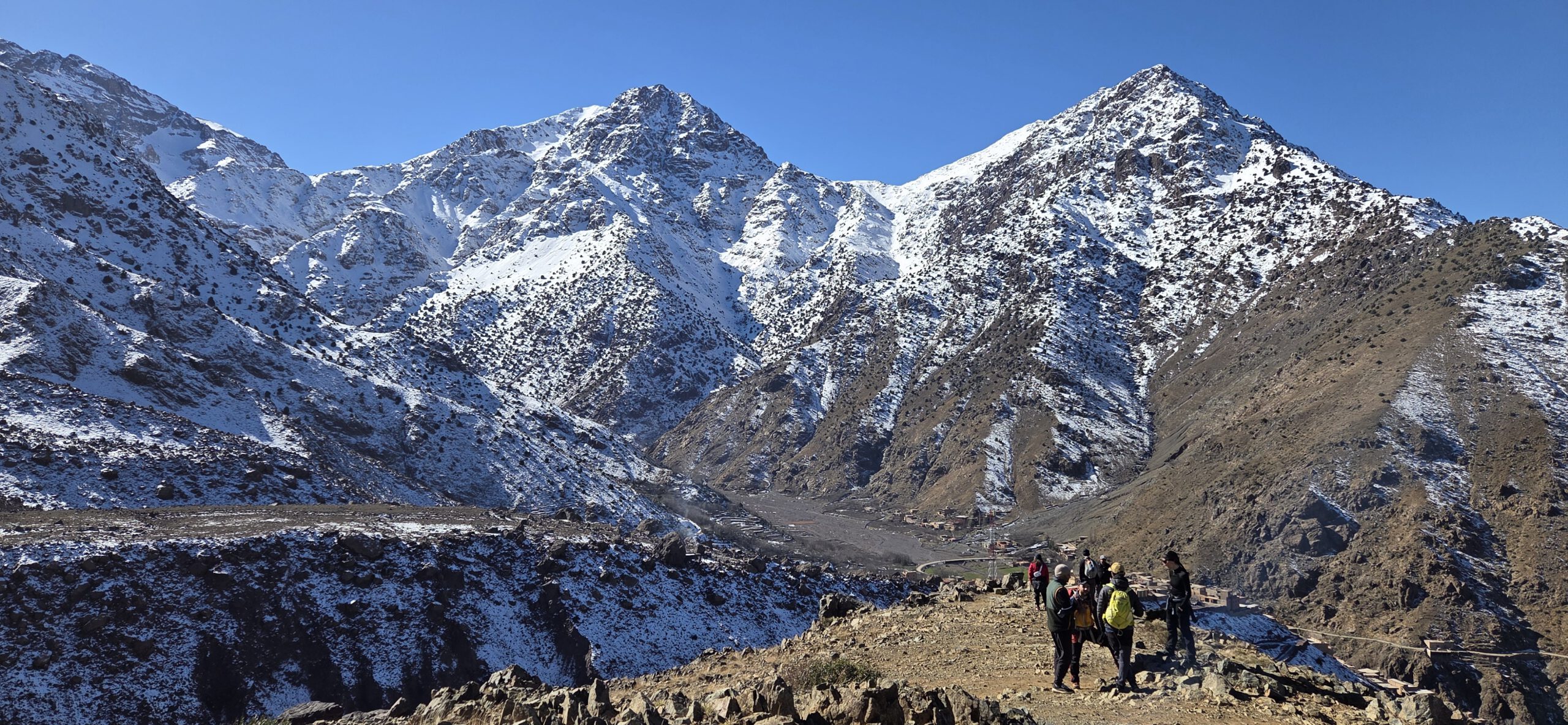
The strongest Atlas Mountains trekking tour routes cluster around the Toubkal massif, roughly 63 kilometres south of Marrakech. This zone holds the highest ground in the range and the densest network of trails, so most operators base their programmes here. The reason is simple: altitude, scenery, and road access all line up in one compact area.
Mount Toubkal itself stands at 4,167 metres, the highest peak in North Africa. The classic ascent starts in the village of Imlil, climbs to a refuge at around 3,200 metres, and summits the next morning. Fit walkers manage it in two days.
Beyond Toubkal, the Ourika valley, the M'Goun massif, and the Toubkal National Park trails give variety. M'Goun, the second highest summit in the range, rewards trekkers who want quieter paths and a longer wilderness feel. For packing specifics on any high route, see our guide on what to pack for a Mount Toubkal trek.
What Are Village-to-Village Trails Through Berber Communities?
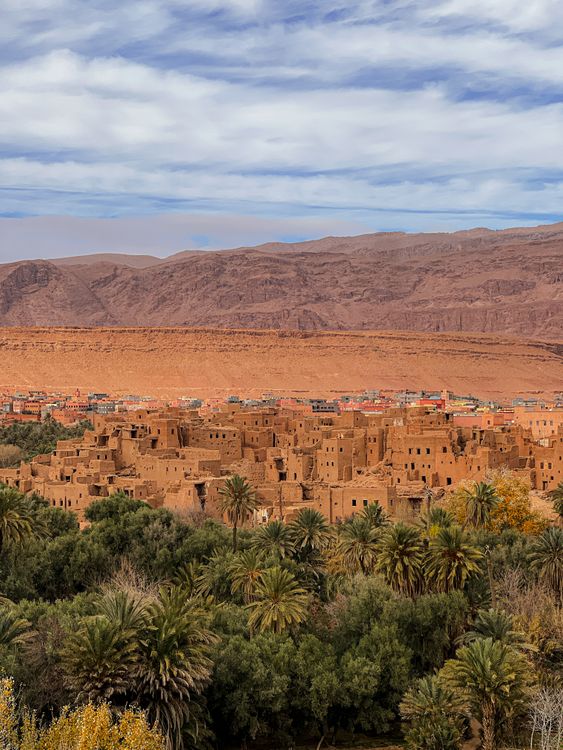
Village-to-village trails string together Berber settlements, letting you walk between communities and sleep in local gites rather than returning to one base each night. These routes trade summit focus for daily cultural contact, and they stay at more forgiving altitudes, usually between 1,500 and 3,000 metres.
Imlil, Aroumd, Tacheddirt, and the terraced villages of the Ait Bougmez valley are common waypoints. Days are shorter than on a summit push, often four to six hours of walking, which leaves time for mint tea, bread baked in village ovens, and conversations with hosts.
The appeal is immersion. You pass walnut groves, irrigation channels, and mule tracks that families have used for generations. A local guide who speaks Tamazight turns a scenic walk into a genuine exchange, and the income from your stay supports the households directly.
How Do Multi-Day Circuits Combine Peaks and Valleys?
Multi-day circuits loop through several valleys and over one or more high passes, often pairing a summit with gentler cultural days. A typical circuit runs four to seven days, giving your body time to acclimatise before the highest ground while keeping the walking varied.
A popular structure climbs Toubkal early, then descends into side valleys such as Tizi n'Ouanoums and the Lac d'Ifni area before finishing through villages. This pattern spreads effort sensibly: hard ascent days alternate with recovery days at lower altitude.
Longer circuits in the M'Goun region cross high plateaus and gorges that day hikers never see. If you are weighing a focused summit trip against a wider loop, our breakdown of the Mount Toubkal climb tour routes and days explains how the ascent slots into a longer itinerary.
What Does a Guided Atlas Trekking Tour Include?
A guided Atlas trekking tour should cover a licensed mountain guide, mule support for luggage, all mountain meals, and accommodation in gites or the Toubkal refuges. These four elements separate a safe, comfortable trek from a logistics headache, and they are the baseline Toubkal Treks builds every programme around.
The guide handles navigation, pacing, altitude awareness, and any permits. Muleteers carry the heavy gear, so you walk with a light daypack. Cooks prepare tagines and fresh bread at camp or in the gites.
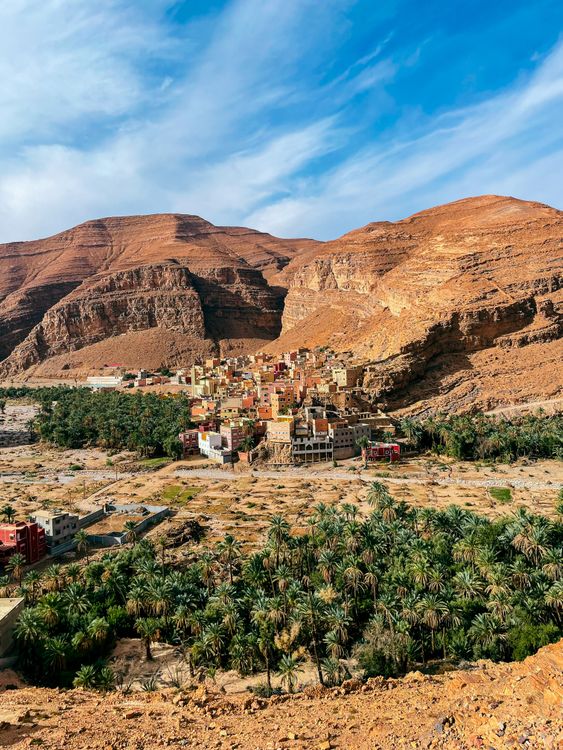
Accommodation shifts with the route. On summit treks you sleep in the Toubkal refuges, which offer dormitory beds, hot meals, and shared bathrooms. On village circuits you stay in family-run gites, simpler rooms with mattresses on the floor and a shared living space. Neither is luxury, and that is part of the appeal: you wake where the trail actually goes.
Food on a good tour is better than most people expect. Breakfast runs to bread, olive oil, eggs, and mint tea. Lunch is often a cooked salad spread eaten in the shade of a walnut tree. Dinner is a hot tagine or couscous, with fruit to finish. Tell your operator about dietary needs in advance, since remote kitchens plan supplies days ahead.
Transfers to and from Marrakech are usually part of the package too. Clarify what sits outside it: travel insurance, personal gear, drinks beyond water, and tips for the crew. Morocco's tourism sector drew 19.8 million arrivals in 2025, up 14% on the previous year, with revenues above $13 billion (AllAfrica, 2026), and that growth has pushed operators to standardise what a full-service trek delivers.
What Difficulty Levels and Seasons Should You Expect?
Atlas trekking difficulty ranges from easy valley day walks to demanding high-altitude ascents, and the season you pick changes the challenge as much as the route does. For non-winter trekking, spring from April to June and autumn from September to October give the most reliable conditions.
Summer brings heat at low altitude but comfortable temperatures high up, which is why summit trips stay busy in July and August. Winter transforms Toubkal into a snow climb that needs crampons, an ice axe, and a guide trained for the conditions.
Matching difficulty to fitness
- Easy: valley and village day hikes, 3 to 5 hours, modest ascent.
- Moderate: multi-day village circuits, 5 to 6 hours daily, some passes.
- Strenuous: Toubkal and M'Goun summits, long days above 3,000 metres.
No technical climbing skill is needed for the main summer trails. Steady fitness and the ability to walk several hours on steep ground matter far more. Plan your departure window around the shoulder seasons, when weather is stable and the trails are less crowded.
How Do You Choose and Book the Right Atlas Tour?
Choosing the right Atlas tour starts with matching route difficulty to your honest fitness level, then checking that the operator uses licensed guides and transparent inclusions. Commercial operators vary widely, so a few direct questions separate the reliable ones from the rest.
Ask who guides the trek and whether they hold a national mountain guide licence. Confirm group size, since smaller groups mean more flexibility and safety margin. Check the acclimatisation profile on any itinerary that tops 3,500 metres, because rushed ascents cause most altitude problems.
Read the inclusions line by line and compare like for like on price. A cheap quote that omits transfers, meals, or refuge fees often costs more once extras stack up. Book early for spring and autumn departures, when the best guides and refuge beds fill fastest.
Decide between a private and a group departure. Private trips cost more per person but flex around your pace and dates, which suits families or mixed-ability friends. Group departures are cheaper and sociable, though you walk to a fixed schedule. Either way, ask how the operator handles a trekker who needs to turn back early, since a good plan protects the rest of the group.
Watch for two quiet red flags. First, vague answers about guide credentials or insurance usually mean there is a gap to hide. Second, an itinerary that gains too much altitude per day ignores acclimatisation and raises your risk of altitude sickness. A trustworthy operator welcomes these questions and answers them in writing.
The practical next step: decide your trip length and target peak, then request a detailed itinerary from Toubkal Treks that lists daily distances, altitudes, and every inclusion. That single document tells you whether a tour fits your fitness, your calendar, and your budget before you commit.
Frequently asked questions
How many days do you need for an Atlas Mountains trekking tour?
Most travelers choose between a single day hike and a seven day circuit. A two day Toubkal ascent suits fit hikers with limited time, while four to seven days allows a mix of peaks, valleys, and Berber villages.
Do I need prior mountain experience to trek the High Atlas?
No technical climbing experience is needed for the main trails in summer. You need good general fitness for long days on steep terrain. Winter ascents of Toubkal do require crampons, an ice axe, and a guide.
What is the best time of year for an Atlas trekking tour?
April to June and September to October offer the most stable weather for standard treks. Summer is hot at low altitude but pleasant high up. Winter turns Toubkal into a snow climb needing mountaineering gear.
Is a guide required to trek in the Atlas Mountains?
A licensed guide is strongly recommended and often required for Toubkal, especially in winter. Guides handle navigation, permits, safety, and connect you with Berber hosts and muleteers along the route.