Key takeaways
- A classic 3-day Sahara tour runs Marrakech to Dades Valley on day one, Todra Gorge to the Merzouga dunes on day two, and a sunrise camel ride and long drive back on day three.
- Day one crosses the High Atlas over the Tizi n’Tichka pass at about 2,260 meters, the main mountain crossing of the route.
- The big dune nights happen at Erg Chebbi near Merzouga, where you sleep in a desert camp between the two long driving days.
- Most of the trip is spent in a vehicle, so the route suits travelers who enjoy scenery and scheduled stops rather than long independent hiking.
- Pack layers, sun protection, a headlamp and cash, because desert nights get cold and card payment is unreliable once you leave the main towns.
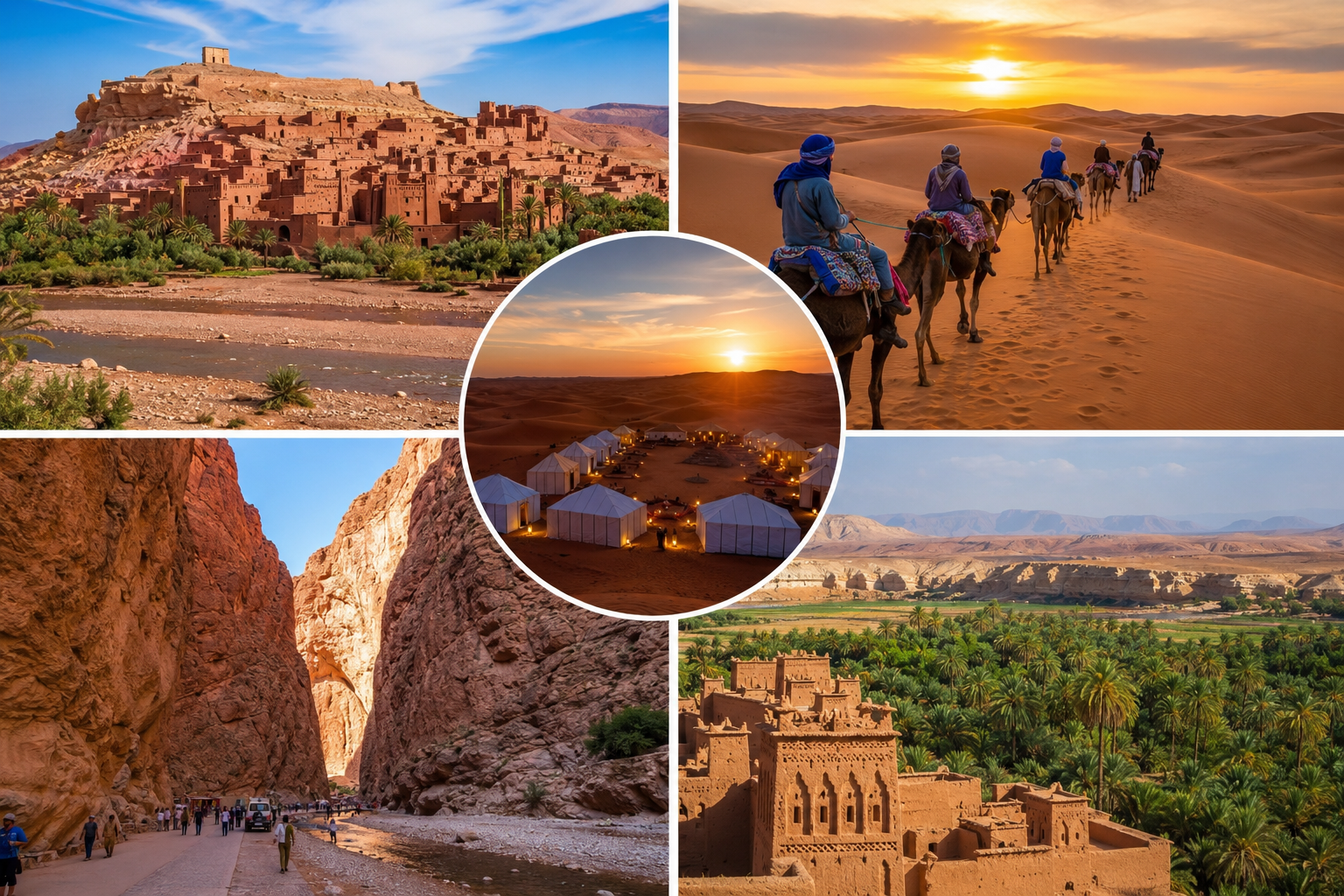
A 3-day Sahara desert tour itinerary from Marrakech moves east across the High Atlas, overnights in the Dades Valley, then pushes on to the Erg Chebbi dunes at Merzouga for a night in a desert camp before returning. The route packs the signature sights of southern Morocco, the mountain passes, the fortified village of Ait Ben Haddou, the Todra Gorge and the big dunes, into a tight but workable three days. This guide walks through each day, the best photo stops, what is usually included, what to pack and who the trip suits.
The trip is built around driving. Two of the three days cover long distances by road, and the payoff is a single unforgettable night under the stars. Read it as a scenery tour with a desert centerpiece rather than a hiking holiday.
Day 1: Marrakech Over the Atlas to the Dades Valley
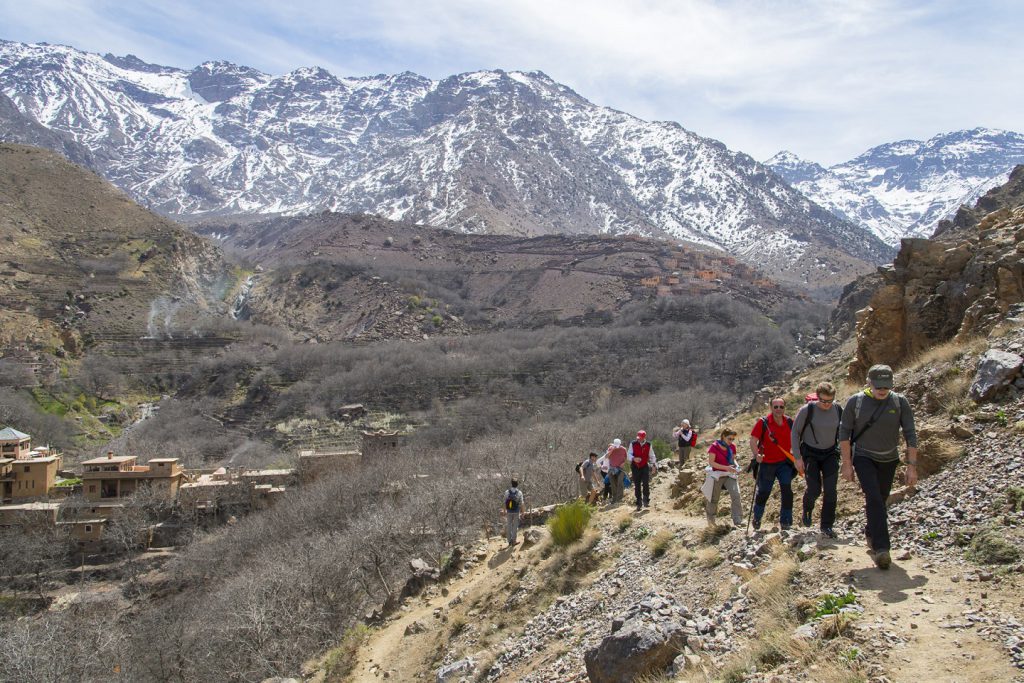
The first day is the longest stretch of mountain scenery. You leave Marrakech in the morning and climb steadily into the High Atlas toward the Tizi n’Tichka pass, which sits at about 2,260 meters and is the main crossing on the route, according to the PeakVisor geographic database. The road switches back and forth past Berber villages, terraced fields and roadside argan oil stops.
Most itineraries break the drive at Ait Ben Haddou, the earthen fortified village that appears in countless films and is listed as a UNESCO World Heritage site. It is the standout photo stop of the day. You can walk up through the ksar to the old granary at the top for a wide view over the valley and the palm groves below.
From there the route continues through Ouarzazate, often called the gateway to the desert, and into the Dades Valley. The valley narrows into dramatic rock formations near the end of the day, and you overnight in a local hotel or guesthouse before the push toward the dunes.
Photo stops on day one
- The Tizi n’Tichka pass viewpoint, best in clear morning light.
- Ait Ben Haddou from the riverbed, with the whole ksar stacked up the hillside.
- The twisting Dades gorge road, sometimes called the valley of a thousand kasbahs.
Day 2: Todra Gorge to the Merzouga Dunes and Camp
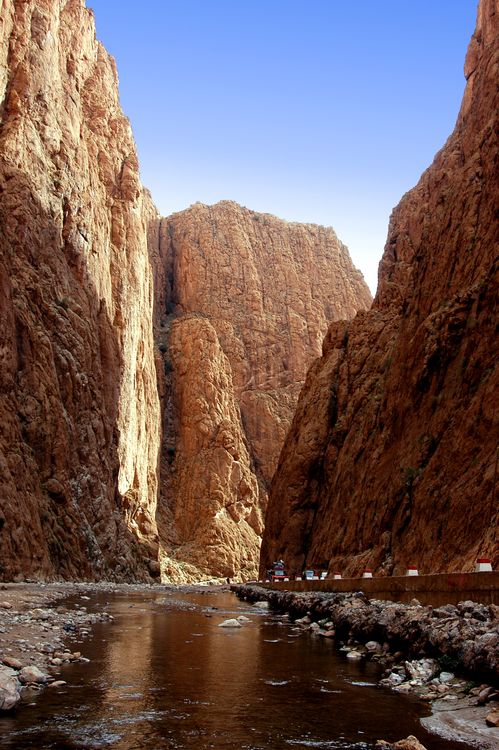
Day two starts in the mountains and ends in the sand. The morning highlight is the Todra Gorge, a deep canyon where sheer rock walls rise hundreds of meters on either side of a shallow stream. There is a flat, easy path along the gorge floor, so even non-hikers can stretch their legs and feel the scale of the cliffs. Rock climbers often work the walls above, which makes for good people-watching.
After the gorge the road turns toward the desert proper. The landscape flattens and dries out as you approach Merzouga, the small town that sits at the edge of the Erg Chebbi dune field. These are the tallest dunes in Morocco, a sea of orange sand that rises sharply out of the stony plain. If you are weighing this dune field against the more remote alternative, the comparison in Merzouga vs Erg Chegaga explains which suits a short three-day trip best.
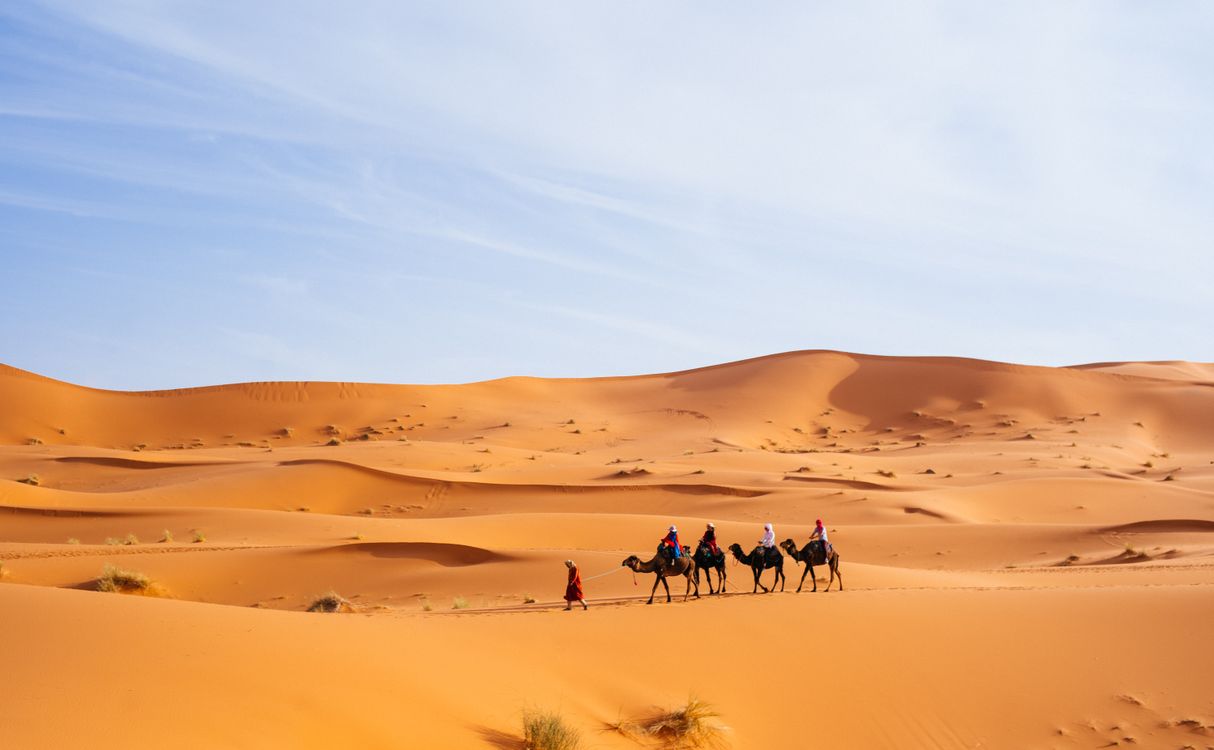
You typically arrive in the late afternoon, swap the vehicle for camels or a 4×4, and head out to the camp as the light turns gold. Watching the sun drop behind the dunes from a high ridge is the single best photograph of the whole trip. Dinner at camp is usually a tagine followed by drumming around a fire, with a night sky that is hard to match anywhere near a city.
Photo stops on day two
- The canyon walls of Todra Gorge from the streambed below.
- The first clear view of the Erg Chebbi dunes rising from the plain.
- Sunset from a dune ridge above camp, ideally with a camel line in frame.
Day 3: Sunrise Camel Ride and the Return Journey
The third day begins very early. Most camps wake guests before dawn so you can climb a nearby dune or ride a camel out to watch the sun come up over the sand. The temperature shift is dramatic: the night is cold, and the first light warms the dunes from grey to deep orange within minutes. This is the quiet highlight that many travelers remember most.
After breakfast back at camp you leave the desert and begin the long drive back to Marrakech. The return usually retraces part of the outbound route over the Atlas, with a lunch stop along the way. It is a full day in the vehicle, so settle in, charge your devices the night before and expect to arrive in Marrakech in the evening.
Because the final day is mostly travel, the smart move is to plan a relaxed evening in Marrakech rather than booking anything demanding for that night.
What’s Included on a 3-Day Sahara Desert Tour Itinerary, and What to Pack
Inclusions vary by operator, so always confirm the exact details before you book. A standard 3 day Sahara desert tour itinerary from Marrakech usually covers:
- Private or shared vehicle transport with a driver across all three days.
- One night in a hotel or guesthouse in the Dades Valley.
- One night in a desert camp near the Erg Chebbi dunes.
- A camel ride into and out of the camp.
- Breakfasts and dinners, with lunches often paid separately.
Things that are commonly not included are lunches, drinks, tips for the driver and camp staff, and entrance fees at optional sites. Toubkal Treks runs this route with licensed drivers and set camp partners, and the full breakdown in the complete Sahara desert tour guide lays out the usual inclusions in more detail.
For packing, keep one small overnight bag for the camp and leave the rest in the vehicle. The essentials:
- Warm layers and a fleece or jacket, because desert nights get genuinely cold.
- Sun hat, sunglasses and high-factor sunscreen for the daytime glare.
- A scarf or buff to keep blowing sand off your face.
- A headlamp or small torch, since camps have limited lighting.
- Closed shoes plus sandals for walking on sand.
- Cash in dirhams for tips, lunches and roadside stops, as cards are rarely accepted outside the main towns.
- Any personal medication, plus a basic first aid kit.
Who This Classic 3-Day Route Suits Best
This itinerary suits travelers who want to see the greatest hits of southern Morocco in a short window and do not mind spending real time on the road to get there. It works well for first-time visitors, couples, families with older children and anyone who prefers scheduled comfort over independent trekking.
It is a weaker fit for people who dislike long drives or who want to walk for hours each day. The physical demand is low, so trekkers looking for real mountain effort will be happier on a dedicated Atlas or Toubkal route. If you have more than three days, a slower version with an extra night reduces the driving pressure and gives you more time at the dunes.
For most people with a tight schedule, the 3-day Marrakech to Merzouga loop is the clearest way to stand on a real Sahara dune and sleep under the stars. The next step is to pick your travel season, spring or autumn for the mildest conditions, and book the camp night before dates fill up in peak months.
Frequently asked questions
How long is the drive from Marrakech to Merzouga?
It is a long day of driving, usually split across the first two days of the tour with stops at the Atlas pass, Ait Ben Haddou and the Dades Valley. You reach the Merzouga dunes late on day two.
Is 3 days enough for a Sahara desert tour from Marrakech?
Three days is the standard route to reach Erg Chebbi, sleep in a desert camp and return. It works well if you accept that two of the three days involve significant driving.
Do I need to be fit for this tour?
No real fitness is required. The walking is limited to short strolls around the camp and a camel ride, so the main demand is sitting comfortably through long drives.
What is the best time of year to do this trip?
Spring and autumn are the most comfortable. Summer brings extreme desert heat and winter nights in the camp can drop close to freezing, so bring warm layers whenever you go.
What should I bring into the desert camp?
Bring a small overnight bag with warm layers, sun protection, a headlamp, any medication and some cash. Leave large luggage in the vehicle or your Marrakech hotel.