
Key takeaways
- Altitude sickness on Toubkal is largely preventable by ascending slowly and spending an acclimatisation night near the refuge before the summit push.
- Early signs are headache, nausea, dizziness and poor sleep; the NHS notes symptoms usually start 6 to 10 hours after reaching high altitude.
- Once above 3,000m, the CDC advises gaining no more than 500m of sleeping altitude per night and adding a rest night for every 1,000m climbed.
- If symptoms worsen, the only reliable treatment is to stop ascending or descend; a good guide checks you constantly and will turn you back if needed.
- Acetazolamide can reduce risk, but discuss dosing and side effects with your own doctor before the trip rather than self-prescribing.
Altitude sickness on Toubkal is largely preventable, and the main lever is simple: climb slowly and give your body time to adjust before you push for the 4,167m summit. Most trekkers who get into trouble do so because a tight two-day schedule rushes them from the valley to the top faster than their body can keep up.
Mount Toubkal is the highest peak in North Africa, and at 4,167m it sits firmly in what medical guidance calls the very high altitude band. You do not need to be unfit or inexperienced to feel the effects. The thinner air at this elevation reduces the oxygen reaching your blood, and that alone can trigger acute mountain sickness (AMS) in otherwise healthy, well-trained people. The good news is that understanding how altitude works, spotting the early warning signs, and pacing your ascent will keep the vast majority of trekkers safe and on track to the summit.
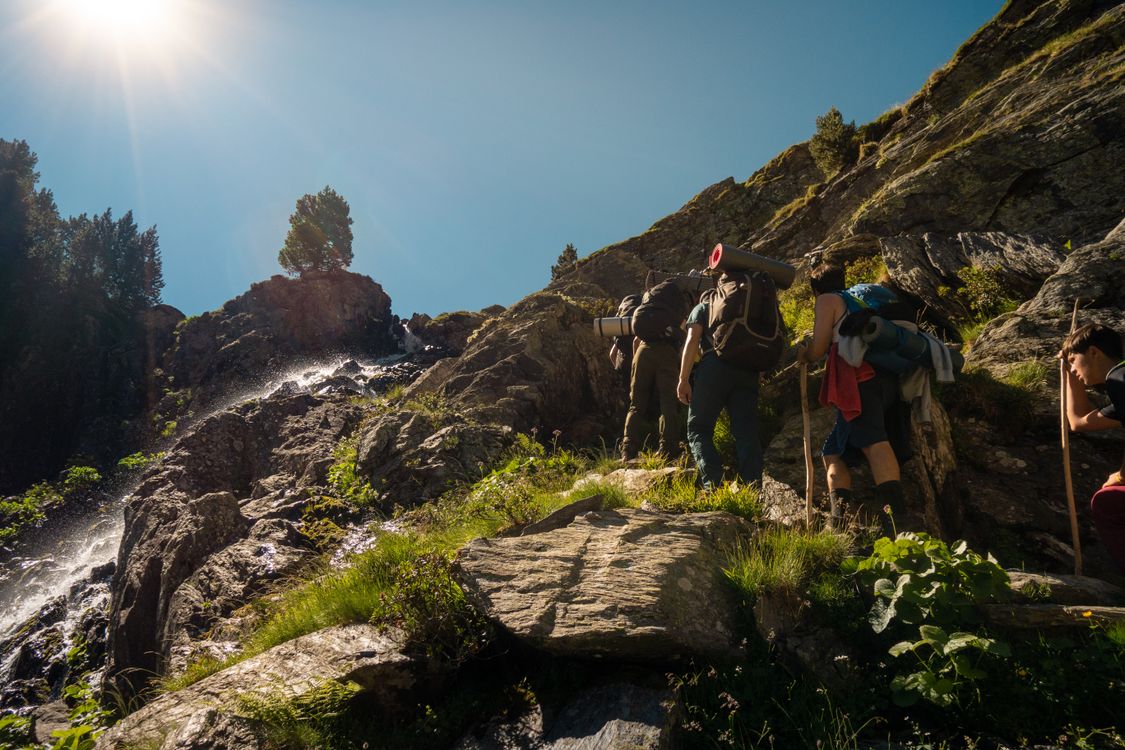
Why altitude affects trekkers above 3,000m
As you climb, air pressure drops and each breath delivers less oxygen. Your body responds by breathing faster and producing more red blood cells, but that adjustment takes time. Above roughly 2,500m the risk of altitude sickness begins, and the higher and faster you go, the greater the strain.
Toubkal trekkers feel this most on the stretch above 3,000m, between Imlil in the valley and the mountain refuges near 3,200m. The classic two-day Toubkal itinerary climbs from about 1,740m at Imlil to the summit at 4,167m in a short window. That ascent rate is steep by medical standards, which is why acclimatisation planning matters so much on this particular peak.
Altitude affects everyone differently. Age, fitness and previous summits are poor predictors of who will struggle. What reliably helps is the rate at which you ascend and the time you give your body to adapt.
Early warning symptoms to recognise
The single most important skill on Toubkal is catching symptoms early, while they are still mild and easy to manage. Acute mountain sickness usually shows up as a cluster of signs rather than one dramatic event.
Common early symptoms include:
- A persistent headache that does not clear with rest or water
- Nausea or loss of appetite
- Dizziness or lightheadedness
- Fatigue beyond what the effort should cause
- Difficulty sleeping, often with broken, restless nights
- Shortness of breath at rest
Timing is a useful clue. According to the NHS, symptoms usually start 6 to 10 hours after reaching high altitude, and they often get better within 1 to 3 days if you stay at the same height and stop climbing. A headache that appears the evening you arrive at the refuge is a signal to slow down, not to push harder the next morning.
Serious warning signs demand immediate descent: confusion, loss of coordination (such as being unable to walk a straight line), breathlessness even while sitting still, or a persistent cough. These can point to high altitude cerebral or pulmonary oedema, which are medical emergencies. On a guided trek these are exactly the conditions your guide is trained to watch for.
Acclimatisation strategies that actually work
Acclimatisation is the process of letting your body adjust to lower oxygen, and it is the most effective defence against altitude sickness toubkal trekkers can use. The principles are well established by travel health authorities.
The CDC advises that once you are above 3,000m, you should gain no more than 500m of sleeping altitude per night, and add an extra night to acclimatise for every 1,000m of sleeping altitude you gain. On Toubkal, the practical application is clear: sleep at a refuge near 3,200m before your summit push, rather than attempting the climb in a single rushed burst.
Ways to build acclimatisation into a Toubkal trip:
- Spend a night, or ideally two, at the Toubkal refuge area around 3,200m before summit day.
- Add an acclimatisation hike or a nearby lower peak so your body experiences altitude before the main ascent.
- Arrive in Morocco a day or two early and stay active rather than flying in and trekking the same day.
- Choose an itinerary that builds in rest, not just the fastest possible route to the top.
Physical conditioning before you travel also helps you cope with the workload, even though fitness alone will not prevent AMS. Strong endurance and leg strength make the ascent more comfortable, which in turn lets you hold a slow, safe pace instead of pushing hard.
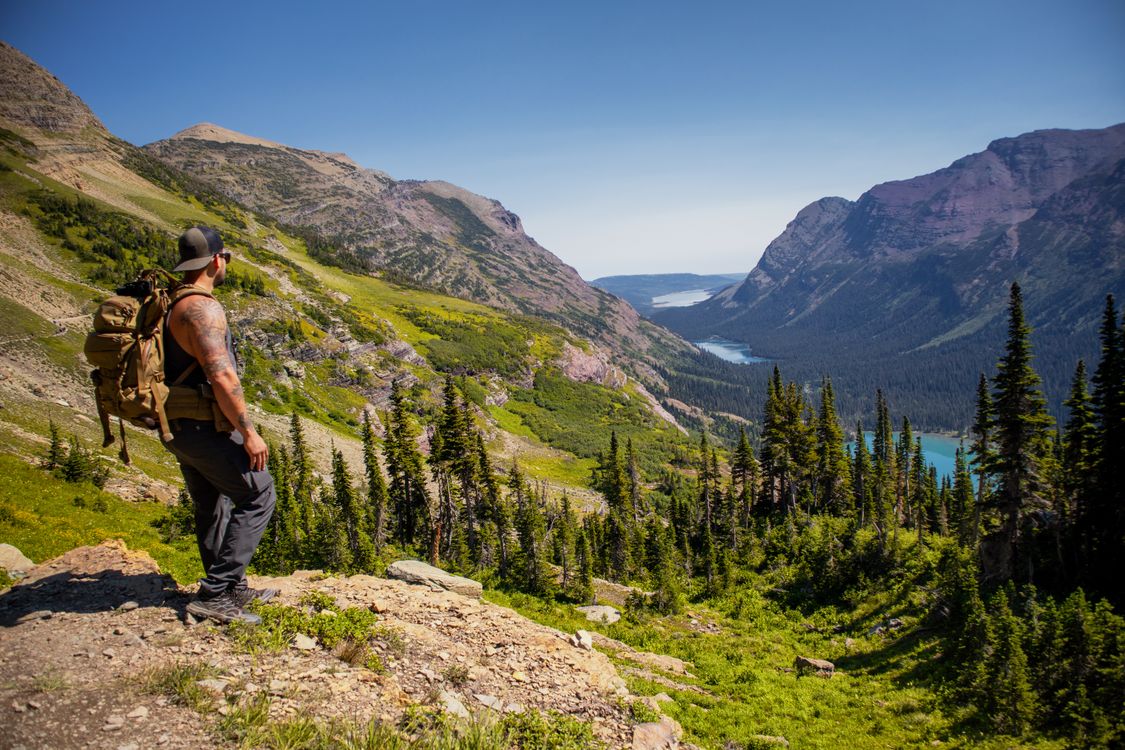
Hydration, pacing, and the 'climb high sleep low' idea
Three habits during the trek do most of the heavy lifting: drinking enough, walking slowly, and sleeping lower than your daily high point.
Hydration matters because you lose more fluid at altitude through faster breathing and drier air. Dehydration mimics and worsens AMS symptoms such as headache and fatigue, so steady sips throughout the day beat occasional large gulps. Aim to drink consistently and watch that your urine stays pale.
Pacing is where many strong hikers go wrong. The instinct to march hard uphill is exactly what overloads a body that has not acclimatised. A slow, sustainable rhythm that lets you hold a conversation is far safer than racing and resting. Guides often set a deliberately gentle pace on summit day for this reason.
"Climb high, sleep low" is a proven acclimatisation tactic. You ascend to a higher elevation during the day, then return to a lower altitude to sleep. The high exposure nudges your body to adapt, while the lower sleeping altitude reduces the overnight strain that most often triggers AMS. On Toubkal this logic underpins why the summit is attempted from the refuge and why you descend afterwards rather than camping higher.
When to turn back and how guides assess you
Knowing when to stop is a safety skill, not a failure. The mountain will still be there, and descending is the one treatment that reliably reverses altitude sickness. If mild symptoms are not improving with rest and hydration, do not climb higher. If symptoms are worsening, descend.
A good guide assesses you constantly, often without making it obvious. They watch your pace, your balance, your breathing and your appetite at the refuge. They ask how you slept and whether your headache has cleared. Simple checks, such as whether you can walk a straight line or follow a conversation, reveal a lot about how your body is coping.
Guides from Toubkal Treks know the mountain's altitude profile intimately and build acclimatisation into the itinerary rather than bolting it on. On a guided ascent, the decision to continue or turn back is shared, and it is always made on the side of safety. If a guide recommends descending, that judgement is based on signs they have seen many times before.
Medication options to discuss with your doctor
Medication can reduce the risk of altitude sickness, but it supports good acclimatisation rather than replacing it. The most widely used preventive drug is acetazolamide, often known by the brand name Diamox, which helps your body adjust to altitude more quickly.
The CDC lists a common preventive dose of acetazolamide as 125mg twice a day, with a higher dose for heavier individuals. Because it is a prescription medicine with possible side effects, such as tingling fingers, increased urination and a changed sense of taste, it is a decision to make with your own doctor well before you travel. Discuss your medical history, any allergies, and whether it is right for your planned ascent.
Other medicines, including those for headache or nausea, can ease symptoms but do not treat the underlying problem. No tablet substitutes for a sensible ascent profile. The safest trips combine slow acclimatisation, good hydration and steady pacing, with medication as an added layer where your doctor advises it.
The clearest next step is to plan an itinerary that respects your body's need to adjust. Before you book a Toubkal trek, check that the schedule includes at least one night near the refuge and a sensible summit-day pace, then speak to your doctor about whether acetazolamide suits you. Get those two things right and you give yourself the best possible chance of a safe, enjoyable climb to the roof of North Africa.
Frequently asked questions
Is altitude sickness common on Mount Toubkal?
It is common enough to take seriously. Toubkal's 4,167m summit sits in the very high altitude band, and fast two-day itineraries often push ascent rates beyond what the body can handle, which raises the risk of acute mountain sickness.
How high is Mount Toubkal and when does altitude sickness start?
Toubkal is 4,167m. Symptoms can begin above roughly 2,500m. The NHS reports that signs usually appear 6 to 10 hours after you reach high altitude and often ease within 1 to 3 days if you stop climbing.
Can I prevent altitude sickness on Toubkal with medication?
Acetazolamide (Diamox) can lower the risk, and the CDC lists a common preventive dose of 125mg twice a day. It is a prescription decision, so talk to your doctor before travelling rather than relying on it alone.
What should I do if I get altitude sickness during the trek?
Stop going up, rest, hydrate and tell your guide. Most mild cases improve within 1 to 3 days at the same altitude. If symptoms get worse, the safe response is to descend without delay.
