The Geology of the Sahara Desert
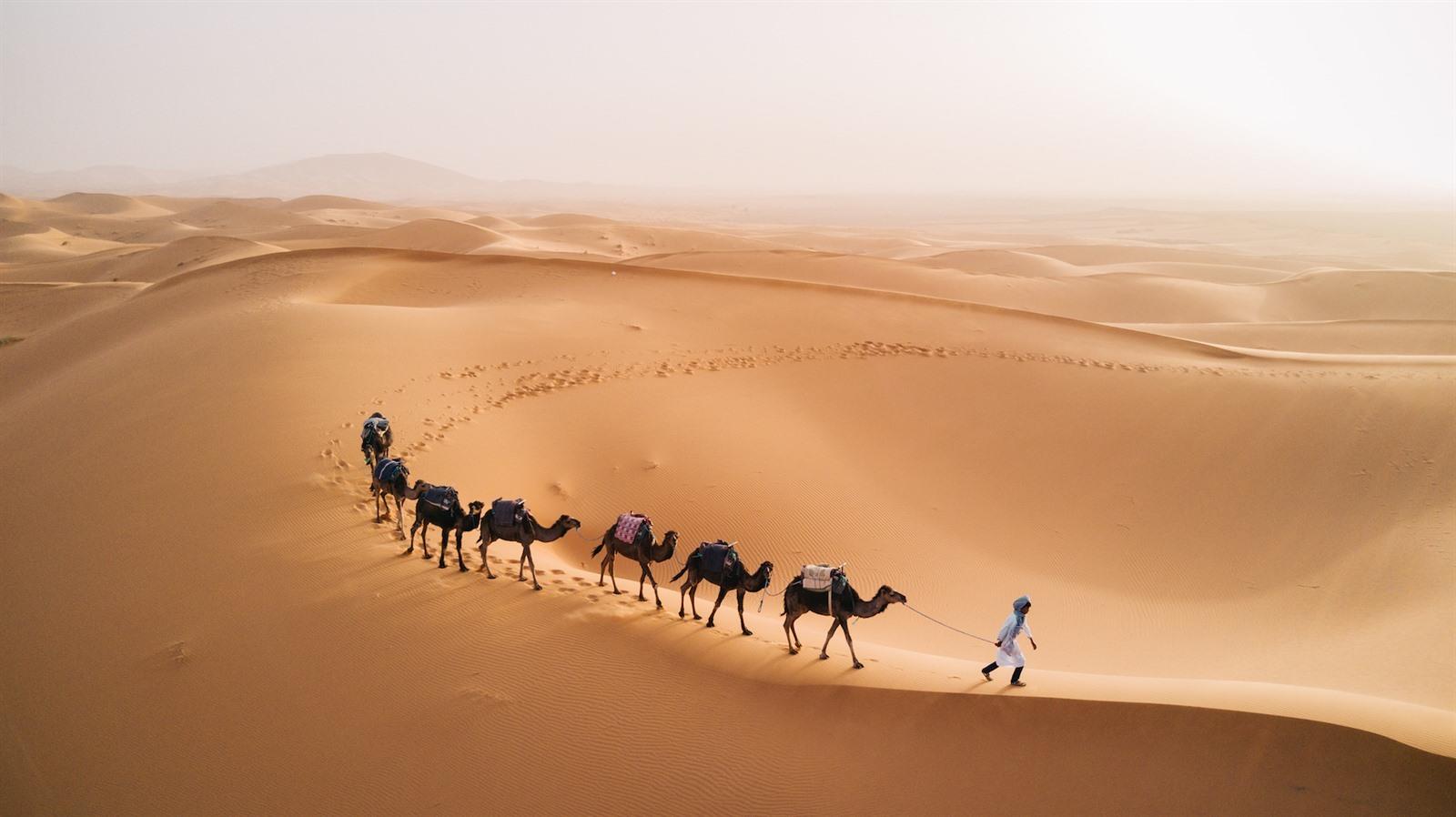
The Sahara Desert, one of the most iconic deserts in the world, spans over 9 million square kilometers across North Africa. Its vast expanse is characterized by a rich variety of geological features, ranging from rocky plateaus to expansive sand dunes. Among these features, the stunning dunes of Erg Chebbi stand out as a prime example of the dynamic geological processes that shape the desert landscape. Understanding the geology of the Sahara, particularly the formation of Erg Chebbi, provides valuable insights into the natural history of this remarkable region.
Formation of Erg Chebbi Dunes
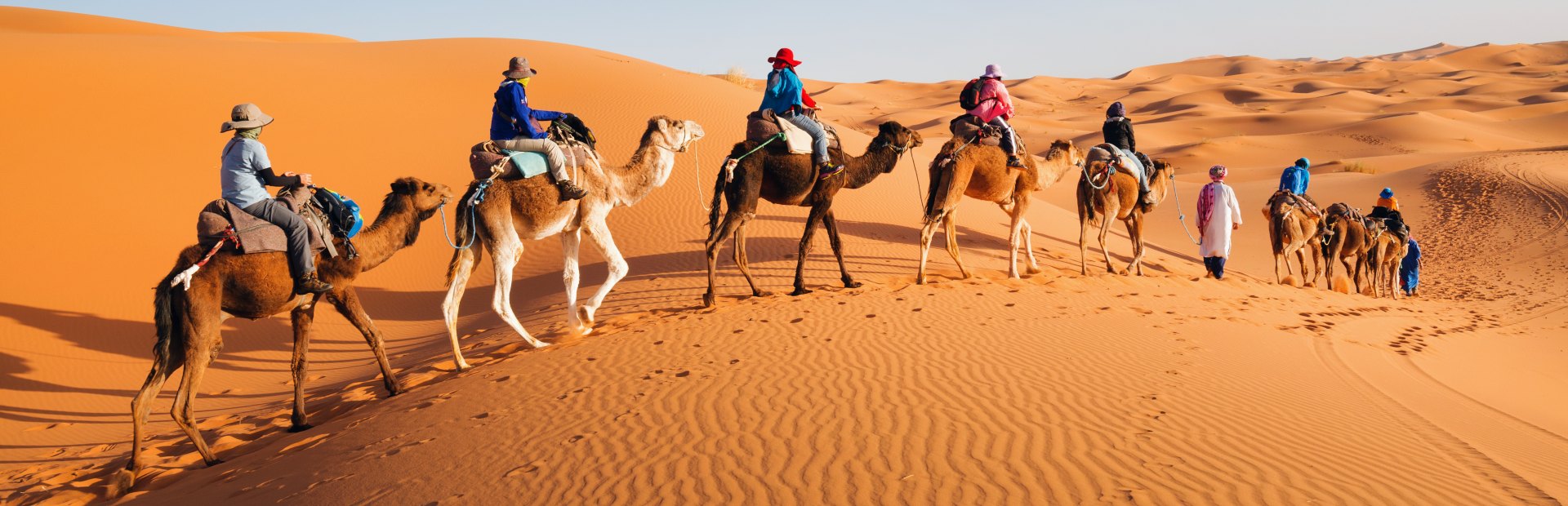
The Erg Chebbi dunes, located near the Moroccan border, are among the tallest sand dunes in the Sahara, reaching heights of up to 150 meters. These dunes are primarily composed of fine-grained quartz sand, which has been shaped by wind action over thousands of years. The primary process responsible for the formation of these dunes is known as aeolian deposition, where wind transports and deposits sand particles in specific areas, creating the characteristic dune formations we see today.
The Role of Wind Patterns
The prevailing wind patterns in the Sahara play a crucial role in the formation of the Erg Chebbi dunes. The direction and strength of wind are influenced by various climatic factors, including temperature variations between day and night. During the day, the intense heat causes air to rise, creating low-pressure zones that draw cooler air from surrounding areas. This process not only contributes to the movement of sand but also affects the orientation and shape of the dunes, resulting in the stunning formations that attract visitors from around the globe.
Influence of Geological History
The geological history of the Sahara is a tapestry of ancient climates and landscapes. Millions of years ago, the region was not the arid desert we see today but rather a lush landscape filled with lakes and vegetation. As the climate shifted, the Sahara underwent significant transformations, leading to the erosion of rocks and the creation of sediment that eventually formed the sand dunes. The interplay of geological processes, such as tectonic activity and erosion, has shaped not only the Erg Chebbi dunes but the entire Sahara landscape.
Ecological Significance
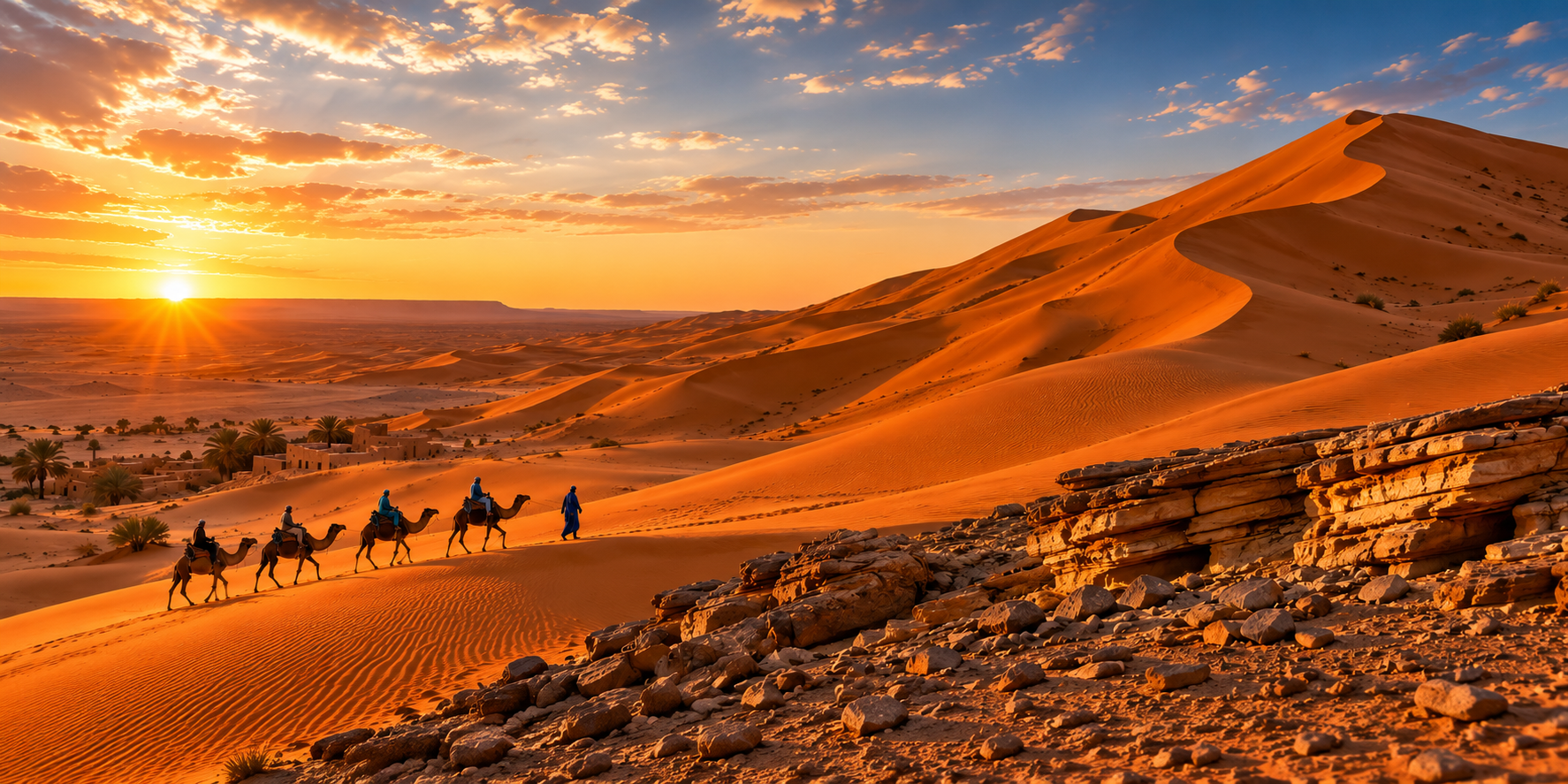
The Erg Chebbi dunes are not just geological wonders; they also play a vital role in the local ecosystem. The unique conditions created by the dunes support a variety of flora and fauna adapted to arid environments. Species such as the desert fox and various types of lizards have evolved to thrive in this harsh climate. Additionally, the dunes serve as a natural barrier, influencing local weather patterns and contributing to the overall biodiversity of the region.
Conclusion
The geology of the Sahara Desert, particularly the formation of the Erg Chebbi dunes, is a fascinating subject that highlights the intricate relationship between natural processes and landscape evolution. As we continue to study and understand these geological phenomena, we gain a deeper appreciation for the beauty and complexity of one of the world’s most extraordinary deserts. The Erg Chebbi dunes stand as a testament to the power of nature and the ongoing processes that shape our planet.