The Flora and Fauna of the High Atlas Mountains
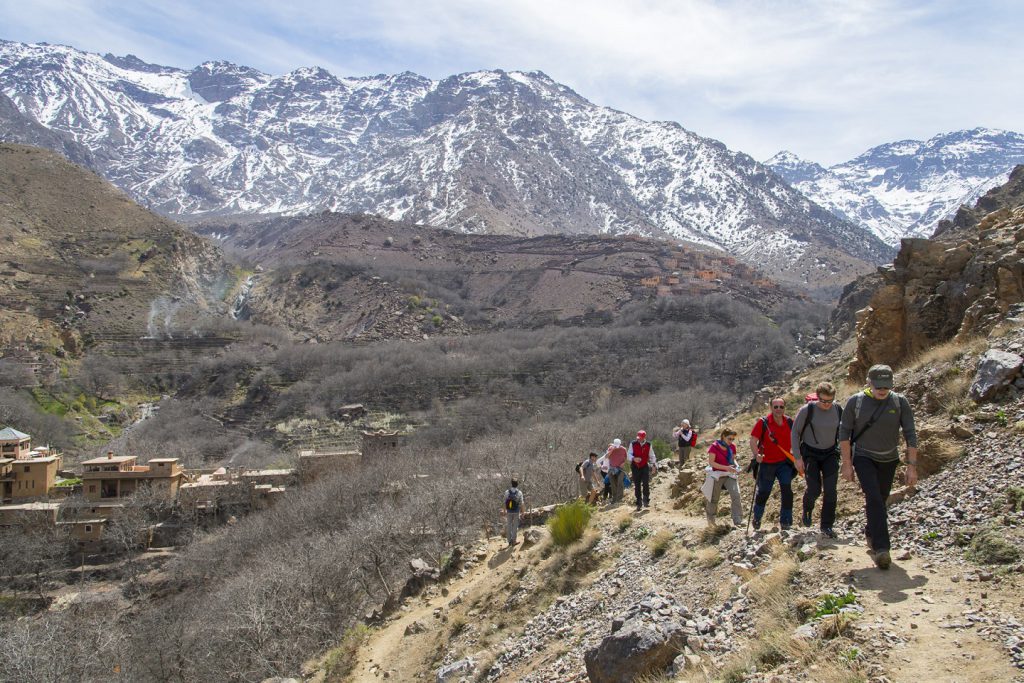
The High Atlas Mountains, a majestic range in Morocco, are renowned for their breathtaking landscapes and rich biodiversity. This unique ecosystem, characterized by its diverse flora and fauna, provides a habitat for numerous wildflowers, birds, and the fascinating Barbary macaques. The combination of altitude, climate, and varied terrain makes the High Atlas a vital region for conservation and research, attracting nature enthusiasts and ecologists alike.
Wildflowers of the High Atlas Mountains
The flora of the High Atlas Mountains is particularly remarkable, with over 4,000 species of plants, many of which are endemic to the region. Among these, wildflowers such as the vibrant saffron crocus and delicate alpine asters bloom during the spring months, painting the mountains in a palette of colors. These wildflowers have adapted to the harsh alpine climate, showcasing resilience and beauty. The diverse vegetation not only enhances the scenery but also plays a crucial role in supporting local ecosystems.
Birdlife in the High Atlas
The avian population in the High Atlas Mountains is equally impressive, with over 300 species recorded. Birdwatchers can spot a variety of species, including the elusive Barbary partridge, the striking African rock pipit, and the majestic golden eagle. The region’s varied habitats, from lush valleys to rocky cliffs, provide ideal nesting and feeding grounds. These birds are vital for maintaining ecological balance, and their presence indicates the health of their environment.
Barbary Macaques: A Unique Primate
Perhaps one of the most intriguing inhabitants of the High Atlas Mountains is the Barbary macaque, the only non-human primate found in Europe. These social animals are known for their intelligence and complex social structures. They inhabit the cedar forests of the region, where they forage for fruits, nuts, and leaves. The Barbary macaque plays a significant role in the ecosystem as a seed disperser, contributing to the regeneration of plant life in their habitat.
Conservation Efforts in the High Atlas
As climate change and human activities threaten the delicate balance of this ecosystem, conservation efforts are critical. Numerous organizations are working to protect the unique flora and fauna of the High Atlas Mountains through habitat restoration and sustainable tourism initiatives. Educating local communities about the importance of biodiversity is also essential in ensuring the survival of species like the Barbary macaque and various endemic plants.
Conclusion
The High Atlas Mountains are a treasure trove of biodiversity, featuring an array of wildflowers, unique bird species, and the charismatic Barbary macaques. Understanding and preserving this complex ecosystem is vital for ecological health and sustainability. By fostering a deeper appreciation for the flora and fauna of this remarkable region, we can ensure that future generations will also experience the beauty and wonder of the High Atlas Mountains.