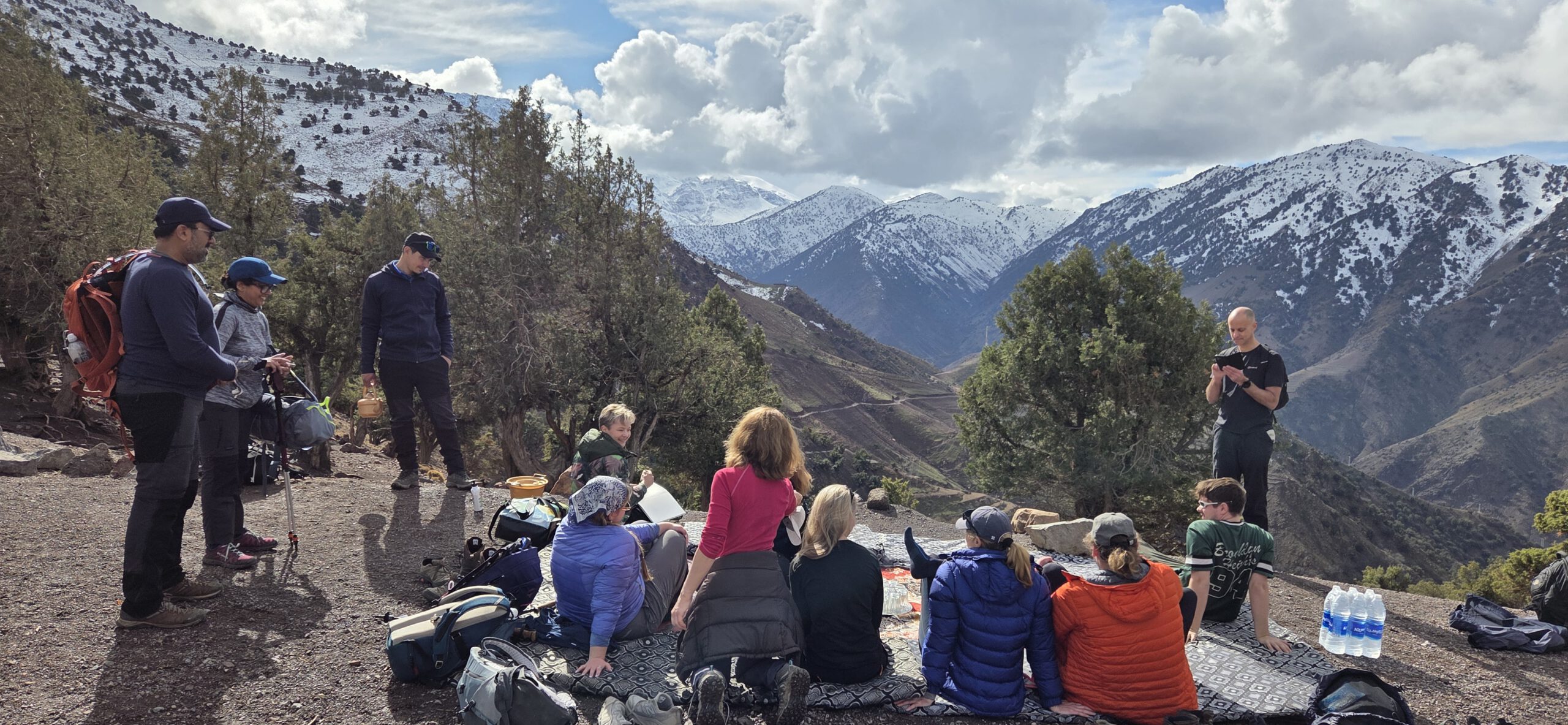
Family-Friendly Atlas Mountains Treks
A family Atlas Mountains trek is best planned as a string of short valley day hikes from a single base, not a race to a summit. Children thrive here when the days are gentle, the stops are frequent, and a mule is on hand for tired legs, which is exactly how the trails around Imlil and the Ourika Valley are set up.
Key takeaways
- A family Atlas Mountains trek works best as a series of short day hikes from a fixed base in Imlil or the Ourika Valley, not a multi-day summit push.
- Imlil sits at around 1,800 m, well below the 2,450 m sleeping altitude where the CDC says acute mountain sickness becomes common, so it is a sensible base for children.
- Hiring a mule and a local Berber guide lets younger walkers rest and carry less, turning a tiring climb into a manageable outing.
- Mount Toubkal is 4,167 m, the highest peak in North Africa, but families do not need to summit to enjoy the valleys around it.
- Plan around realistic distances of a few kilometres per day, frequent snack and water stops, and cultural breaks in villages and tea houses.
The High Atlas rises just south of Marrakech, close enough for a family to swap the city for cool mountain air in under two hours. You get dramatic scenery, walnut groves, and Berber villages without needing technical skills or a long expedition. This guide covers where to walk with kids, how mule support works, the cultural stops children actually enjoy, and how to pace the days so everyone finishes smiling.
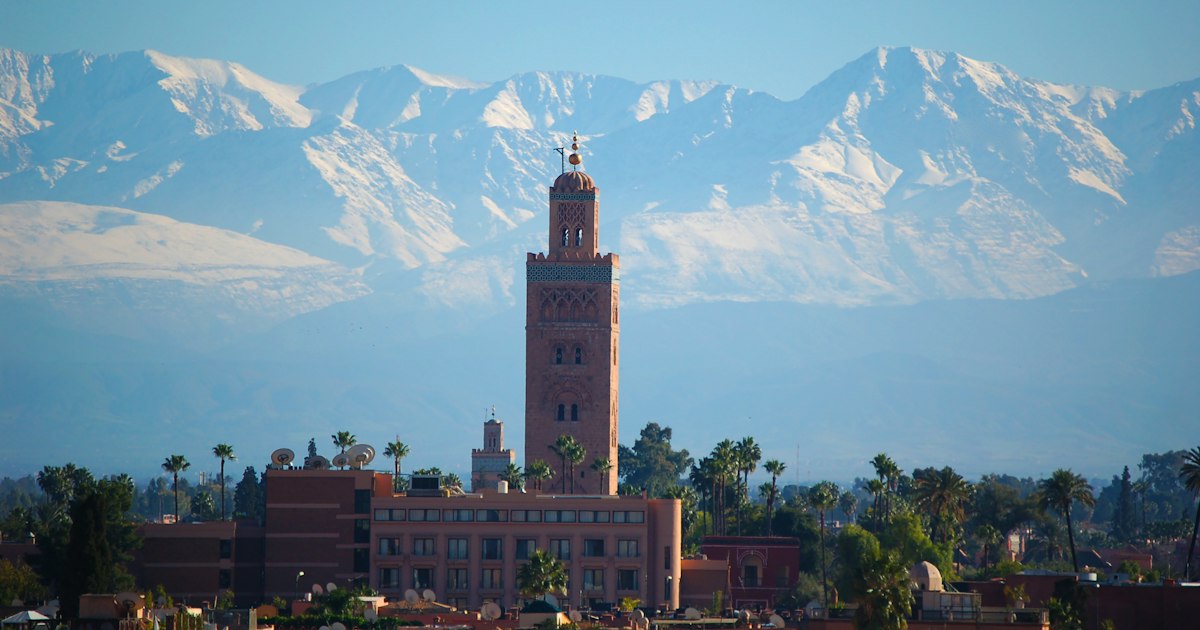
Why a Family Atlas Mountains Trek Suits Adventurous Families
The High Atlas gives families real mountain adventure on a comfortable scale. Mount Toubkal, the range’s centrepiece, stands at 4,167 m and is the highest peak in North Africa, yet you do not need to climb it to enjoy the region. The valleys below are green, walkable, and dotted with villages where daily life carries on much as it has for generations.
Access is the first advantage. Toubkal National Park sits roughly 70 km south of Marrakech, so a family can leave the city after breakfast and be walking a mountain trail by late morning. The park was established in 1942, covers about 380 km², and contains 38 named peaks, which means plenty of trails to match any energy level.
The terrain near the trailheads is forgiving. Instead of exposed ridges, families follow mule paths along rivers, through terraced barley fields, and between clusters of flat-roofed houses. The scenery changes quickly, which keeps younger walkers curious, and there is almost always a shaded spot or a tea house for a rest.
Gentle Day Hikes Near Imlil and Ourika
Two valleys do most of the work for families: Imlil and Ourika. Both offer short, scenic routes that start low and climb gradually, so you can turn around whenever the children have had enough.
Imlil is the main gateway to Toubkal and sits at roughly 1,800 m. From the village, an easy half-day walk follows the valley to the hamlet of Aroumd (Around) across a wide boulder-strewn riverbed, with the big peaks framing the view the whole way. It is flat enough for most children and short enough to pair with a long lunch. For a fuller picture of the village and its services, see our guide to Imlil village as the gateway to Mount Toubkal.
The Ourika Valley, which begins around 30 km south of Marrakech and runs deeper into the mountains, is the other strong option. Its lower reaches are warm, green, and lined with riverside cafes, while the trail at Setti Fatma climbs past a series of waterfalls. Families can walk as far as the first fall and still feel they have earned the view.
If you want to compare routes before you commit, our roundup of the best hikes in the High Atlas Mountains lays out the gentler and tougher options side by side.
Mule Support to Help Younger Walkers
Mules are the traditional pack animals of the High Atlas, and they are the single most useful tool for a family on the trail. A muleteer and his mule can carry day packs, water, and picnic supplies so the adults walk light, and a tired child can ride for a stretch while a parent walks alongside.
This changes the mood of a hike. A climb that would end in complaints becomes manageable when children know they can hop on the mule for the steep bit. It also means you can plan a slightly more ambitious route, because the margin for tired legs is built in.
Working with a local muleteer brings a second benefit: you are supporting the village economy and travelling with someone who knows every shortcut, shaded rest spot, and safe river crossing. At Toubkal Treks we arrange mule support as standard on family itineraries, matching the animal and the pace to the ages in your group.
Cultural Stops Kids Enjoy Along the Way
The Atlas is home to the Amazigh, or Berber, people, and the culture is part of what makes a family trek memorable rather than just a walk. Children respond well to the small, concrete moments: watching bread baked in a communal oven, seeing a water mill turn, or being handed a glass of sweet mint tea in a village home.
Good cultural stops for younger travellers include:
- A tea break in a Berber house, where kids can see how a traditional kitchen works
- Village markets, loud and colourful, with spices, dates, and handmade goods
- Walnut and cherry groves in season, where families often share a handful of fruit with local kids
- Small river crossings and stepping stones, which children treat as an adventure in themselves
These pauses do more than entertain. They give short legs a rest, slow the pace to something sustainable, and turn the day into a story the children will retell. A little context about Berber life before you travel helps children appreciate what they are seeing, and local guides are happy to explain customs as you walk.
Safety, Pacing, and Realistic Distances
Safety on a family trek comes down to altitude, heat, and honest pacing. The good news is that valley bases keep you well inside the comfort zone. Imlil at around 1,800 m sits below the threshold where altitude starts to matter. The CDC notes that acute mountain sickness becomes common at sleeping elevations above 2,450 m, where roughly 25% of visitors to high Colorado ski resorts feel its effects. Gentle day hikes that return to a low base each night sidestep that risk entirely. You can read the CDC’s guidance on high-altitude travel and altitude illness for the full picture.
Pacing matters more than distance. A realistic family day is a few kilometres spread over several hours, with stops built in for snacks, water, photos, and simply sitting down. Children walk at their own rhythm, so the aim is a short route walked happily rather than a long one finished in tears.
A few practical rules keep the day smooth:
- Start early to walk in the cool morning and rest during the midday heat
- Carry more water than you think you need, and refill where it is safe to do so
- Pack layers, as mountain mornings are cold even when afternoons are warm
- Choose sun hats, sunscreen, and sturdy closed shoes over sandals
- Keep a buffer in the schedule so no one feels rushed back to the trailhead
Pick the terrain to match the youngest and least confident walker in the group, not the keenest. A trek everyone can manage is one everyone remembers fondly.
How to Plan a Family Trek With Us
Planning a family Atlas Mountains trek is mostly about matching the route to your children. Start with their ages, their walking experience, and how many hours they can realistically enjoy being on their feet, then build the days around that rather than around a summit or a distance target.
A sensible family trip usually looks like this:
- Base yourself in Imlil or the Ourika Valley for two or three nights
- Walk gentle valley routes each morning, with a mule on hand for the children
- Break the walks with cultural stops, tea, and long lunches
- Keep afternoons free for rest, river play, or a short optional add-on
At Toubkal Treks we build family itineraries around exactly this rhythm, with local Berber guides, mule support, and flexible pacing so the trek bends to your family rather than the other way round. If you are weighing up a family-friendly valley trek against a harder high-mountain route, tell us the ages in your group and we will shape a plan that keeps everyone safe and genuinely enjoying the mountains. Reach out with your dates and we will put together a route the whole family can walk together.
Frequently asked questions
What is the minimum age for a family Atlas Mountains trek?
There is no fixed minimum, but gentle valley day hikes near Imlil or Ourika suit children aged roughly six and up. Toddlers can join shorter walks and ride a mule for part of the way.
Do you need to summit Toubkal on a family trek?
No. Most families walk the valleys, terraced fields, and lower trails around Imlil and Ourika. Reaching the 4,167 m summit requires high altitude experience and is not suitable for young children.
How far will children walk each day?
Plan for a few kilometres over several hours with frequent stops. Distance matters less than terrain, heat, and pacing, so a short route with breaks works better than a long one rushed.
Is altitude a problem for kids in the Atlas?
At valley bases like Imlil near 1,800 m, altitude is rarely an issue. The CDC notes acute mountain sickness becomes common above 2,450 m of sleeping elevation, which gentle day hikes avoid.
Are mules safe for children to ride?
Yes, when led by an experienced muleteer on suitable trails. Mules are the traditional pack animals of the High Atlas and let tired children rest while an adult walks alongside.