Understanding Altitude Sickness
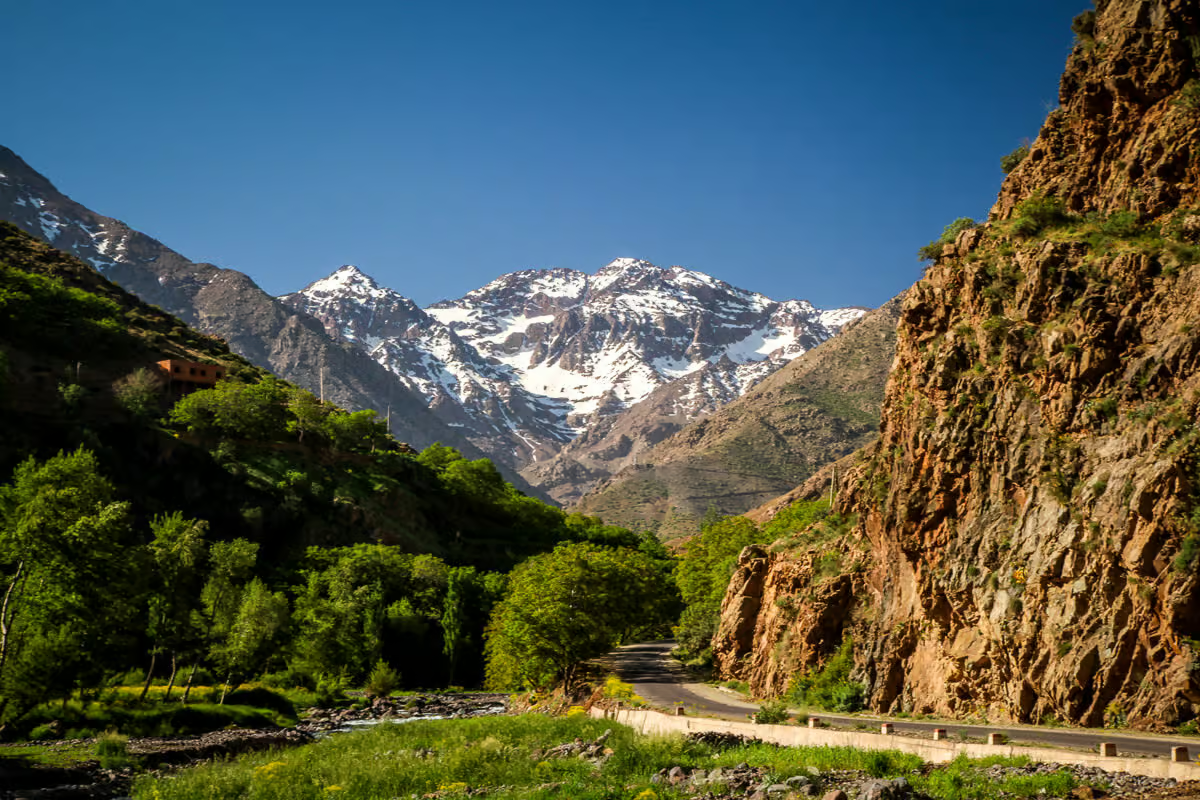
Altitude sickness, also known as acute mountain sickness (AMS), can affect anyone who ascends to high altitudes too quickly. When climbing Mount Toubkal, Morocco’s highest peak, the risk of developing AMS increases due to its elevation of 4,167 meters (13,671 feet). Symptoms typically include headaches, nausea, dizziness, and fatigue. Understanding these risks is crucial for climbers to ensure a safe and enjoyable experience.
Preventing Altitude Sickness
The key to preventing altitude sickness lies in proper acclimatization. Climbers should ascend gradually, allowing their bodies to adjust to reduced oxygen levels. A common recommendation is to gain no more than 300-500 meters (approximately 1,000-1,600 feet) in elevation per day. Incorporating rest days during your trek can also help your body acclimatize, reducing the likelihood of AMS.
Stay Hydrated
Staying well-hydrated is essential when climbing Toubkal. Dehydration can exacerbate symptoms of altitude sickness. It is recommended to drink at least 3-4 liters of water daily, but avoid excessive alcohol and caffeine, as they can lead to dehydration. Carrying a reusable water bottle and purifying tablets can be beneficial, allowing you to refill your water supply from natural sources.
Recognizing Symptoms Early
Being aware of the symptoms of altitude sickness is vital for timely intervention. Common signs include headaches, loss of appetite, and sleep disturbances. If you or your climbing companions experience these symptoms, it is crucial to communicate openly and monitor each other’s conditions closely. Early recognition can prevent more severe complications, such as High Altitude Pulmonary Edema (HAPE) or High Altitude Cerebral Edema (HACE).
Effective Treatment Strategies
If symptoms of altitude sickness occur, the first step is to descend to a lower altitude immediately. This is the most effective treatment for AMS. Over-the-counter medications such as ibuprofen can alleviate headaches, while anti-nausea medications may help with nausea. For climbers who are more susceptible to AMS, prescription medications like Acetazolamide (Diamox) can be taken before ascending to reduce symptoms.
Consulting Experts and Guides
Hiring a knowledgeable guide when climbing Toubkal can significantly enhance your safety and experience. Expert guides are trained to recognize altitude sickness and implement safety protocols. They can provide valuable advice on pacing, acclimatization, and emergency procedures. Ensuring you have the right support can make all the difference in preventing and handling altitude sickness effectively.