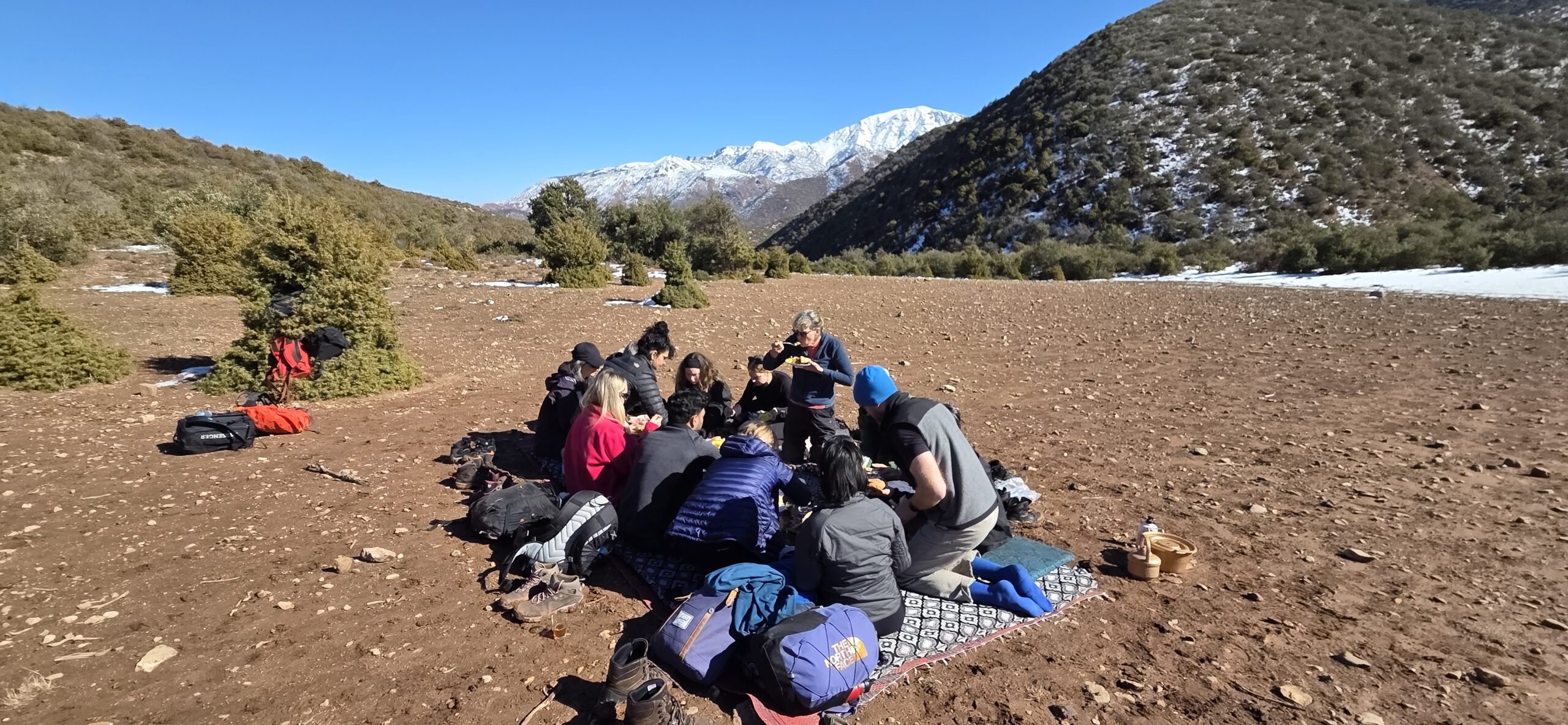
Exploring the Sahara Desert: A Journey into the Heart of the World’s Largest Hot Desert
The Sahara Desert, spanning over 9 million square kilometers, is a vast expanse of breathtaking landscapes, rich history, and diverse ecosystems. For adventurers and researchers alike, deep dives into the Sahara provide unique insights into its geological formations, flora, fauna, and cultural heritage. Understanding the logistics involved in navigating this arid environment is crucial for anyone planning an expedition or research project in this iconic desert.
Understanding the Unique Ecosystem of the Sahara
The Sahara is not just a barren wasteland; it’s home to a variety of ecosystems, including sand dunes, rocky plateaus, and oases. Each of these habitats supports distinct wildlife, from the elusive Saharan silver antelope to the resilient desert fox. Conducting a deep dive into the Sahara’s ecosystem requires expertise in desert ecology and an appreciation for the delicate balance of life that exists there. Researchers must be equipped to study these environments while minimizing their impact on the fragile ecosystem.
Logistical Challenges of Sahara Expeditions
Planning an expedition into the Sahara involves navigating a series of logistical challenges. From securing permits and arranging transportation to sourcing supplies and ensuring safety, the complexities can be daunting. It is essential to have a comprehensive logistical plan that includes backup options for transportation and communication, as well as strategies for managing the extreme temperatures and potential hazards of desert travel.
Essential Gear and Supplies for Sahara Exploration
Equipping oneself for a Sahara expedition is a critical aspect of the planning process. Essential gear includes high-quality navigation tools, reliable shelter, and appropriate clothing to protect against the harsh sun and cold nights. Hydration systems and water purification methods are vital, as access to potable water can be limited. Additionally, food supplies should be lightweight, nutritious, and easy to prepare, as traditional cooking methods may not be feasible in remote areas.
Cultural Considerations in the Sahara
The Sahara is not only a natural wonder but also a cultural tapestry woven from the traditions of indigenous tribes, such as the Tuareg and Berbers. Understanding and respecting local customs and practices is crucial for any successful expedition. Collaborating with local guides can enhance the experience, providing valuable insights into the cultural significance of various sites and ensuring that interactions with local communities are respectful and meaningful.
Conclusion: The Value of Deep Dives into the Sahara
Deep dives into the Sahara Desert are not merely about exploration; they offer opportunities for scientific research, cultural exchange, and personal growth. With careful planning and respect for the environment and its inhabitants, adventurers can uncover the mysteries of this legendary desert. By mastering the logistics and embracing the unique challenges of the Sahara, explorers can embark on a transformative journey that deepens their understanding of one of the world’s most fascinating landscapes.