
Key takeaways
- The 2-day Toubkal trek is faster and cheaper but packs a 1,467m ascent into day one, which raises altitude sickness risk.
- The 3-day trek adds an acclimatisation day so you sleep lower before the summit push, improving comfort and summit odds.
- Health bodies advise sleeping no more than 500m higher per night above 3,000m, which the 2-day itinerary exceeds.
- Fit, altitude-experienced trekkers often handle the 2-day trek; first-timers and anyone short on hill fitness should pick 3 days.
- The time saved on a 2-day trek is one day; the summit success and enjoyment gained on a 3-day trek can be larger.
Choose the 2-day Toubkal trek if you are already fit, used to altitude, and short on time; choose the 3-day trek if you want an acclimatisation night that makes the summit safer and far more comfortable. The decision in the 2 day vs 3 day Toubkal trek question comes down to how your body handles a fast climb to over 4,000m, not how tough you think you are at sea level. Mount Toubkal reaches 4,167m, the highest peak in North Africa, and both itineraries climb the same mountain by the same main route. What changes is the pace, and pace is what decides how many people stand on the summit feeling good.
Below is a plain comparison of both trips so you can book the one that fits your fitness, your schedule and your tolerance for a hard day at altitude.
The classic 2-day fast ascent explained
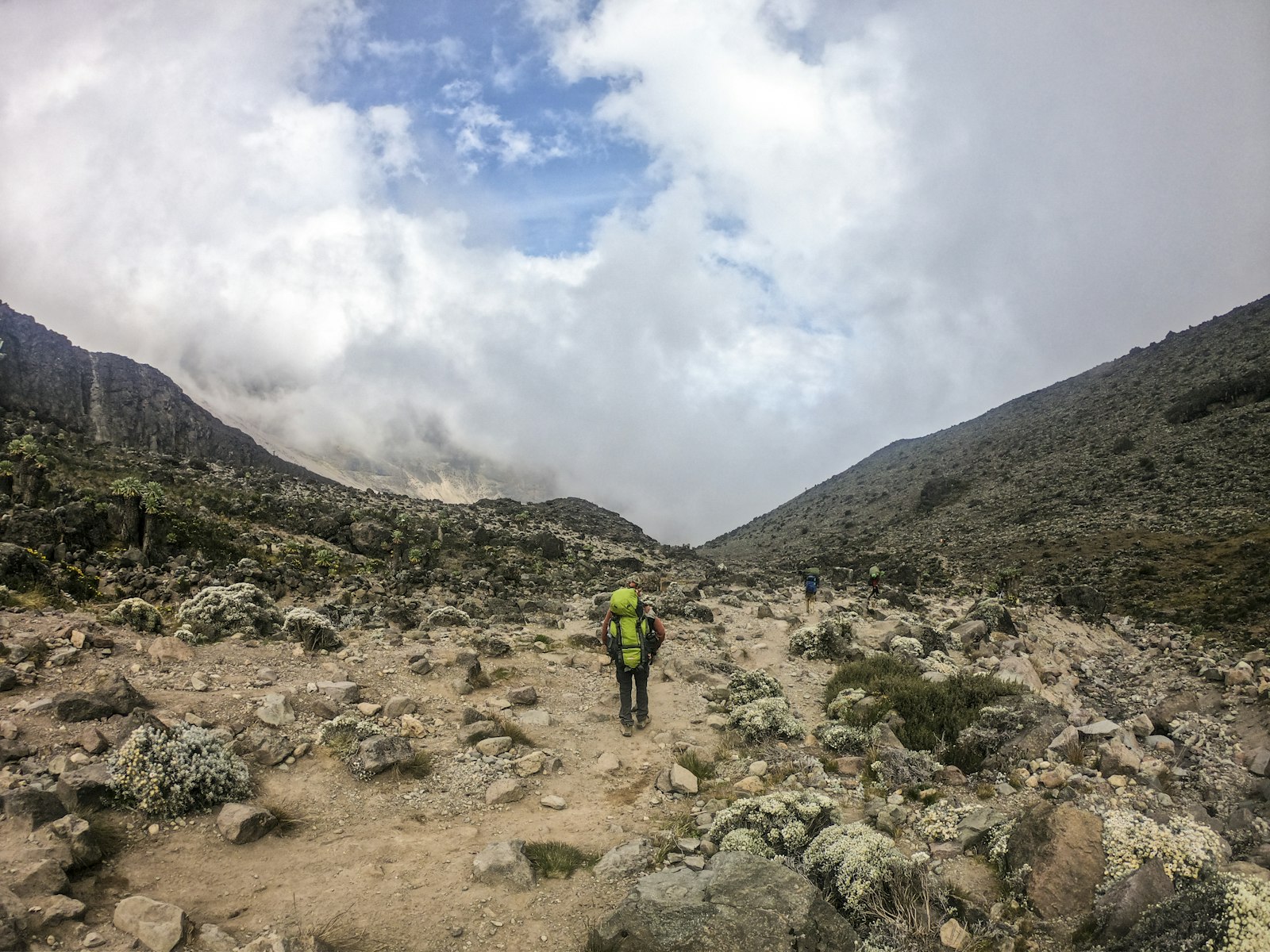
The 2-day trek is the quick option most operators advertise. Day one starts in Imlil, the trailhead village at roughly 1,740m, and climbs to the Refuge du Toubkal at about 3,207m. That is a gain of around 1,467m in a single day of walking, usually five to six hours with a mule carrying heavy bags. You sleep at the refuge, then start before dawn on day two to climb the final 960m of ascent to the summit at 4,167m, returning all the way down to Imlil by the afternoon.
The appeal is obvious. You leave Marrakech, climb North Africa’s highest peak, and are back in the city within 48 hours. For travelers on a tight holiday, that efficiency is the whole point. The catch is the altitude profile. You go from low valley air to sleeping above 3,000m inside one day, then push nearly a kilometre higher the next morning with no time to adjust in between.
The 3-day trek with extra acclimatisation
The 3-day trek climbs the same route but builds in time for your body to catch up with the altitude. Day one still walks from Imlil to the Refuge du Toubkal, but instead of attempting the summit the next morning, you add a lighter acclimatisation day. That might mean a short hike to a nearby ridge or lake above the refuge and a return to sleep at the same altitude, giving your blood and breathing a full extra day near 3,200m before the summit push.
Summit day on the 3-day plan is the same climb to 4,167m and back, but you attempt it rested and better adjusted. Some operators spread the trip differently, with a gentler first day that overnights lower in the valley before moving up to the refuge, which keeps the sleeping altitude gain closer to safe guidance. Either way, the extra day is spent helping you acclimatise, not padding the brochure. Toubkal Treks runs the 3-day itinerary with that acclimatisation built in, and it is the version we point most first-time climbers toward.
2 day vs 3 day Toubkal trek: summit success and comfort
Acclimatisation is the single biggest lever on whether you reach the top feeling strong. Altitude sickness symptoms typically appear 6 to 10 hours after arriving at high altitude, according to the NHS, which means on the 2-day trek a headache or nausea can set in overnight at the refuge, right before your 4am start. Trekkers who feel rough at 3,207m rarely enjoy the final climb, and some turn back.
The 3-day trek spreads the gain so your body has processed the altitude before summit morning. The physical climb is identical, but your odds of topping out comfortably are higher because you are not fighting fresh altitude symptoms on the hardest day. No itinerary can promise a summit, since weather on Toubkal changes fast and a storm can close the mountain regardless of how fit you are. The extra day also gives you a buffer: if day two brings bad weather, a 3-day trip can still summit on day three, while a 2-day trip simply misses out.
Fitness and altitude considerations for both
Both treks demand real hill fitness. You walk six to eight hours on steep, rocky ground, and summit day on either itinerary is long and tiring. The difference is how much altitude stress you stack on top of that effort.
Health guidance is consistent on pacing. The NHS warns against ascending from below 1,200m to above 3,500m in a single day, and advises that above 3,000m you sleep no more than 500m higher than the previous night. Clinical guidelines summarised by the American Academy of Family Physicians echo this, recommending no more than 500m of sleeping-altitude gain per night above 3,000m and a rest day every 1,000m of elevation gained. The 2-day trek’s 1,467m jump to the refuge clearly exceeds that sleeping-altitude guidance, which is why fitness alone does not remove the risk. Being strong helps you walk, but it does not speed up how quickly your body makes the blood changes that altitude demands.
If you have trekked above 3,000m before without trouble, the 2-day trip is a reasonable gamble. If Toubkal would be your first serious altitude, treat the 3-day trek as the sensible default. It is also worth preparing your legs in advance, since strong hill fitness and endurance make either option more comfortable at altitude.
Cost and time trade-offs
The 2-day trek is cheaper and shorter. It uses one fewer guide day, one fewer night of accommodation and meals, and fewer mule days, so the price is lower. If your Morocco trip is packed and you only have a 48-hour window, it is the itinerary that fits.
The 3-day trek costs more because you pay for the extra day of guiding, food and lodging. What that money buys is a meaningfully higher chance of actually summiting and enjoying it, plus a weather buffer. Travelers who flew a long way for this one climb often decide the extra day is cheap insurance against going home without the summit. Weigh the real cost of the 2-day trip not as money saved, but as the risk of paying for a trek and turning back below the top.
Our recommendation by experience level
If you are a confident, well-trained hiker with prior altitude experience and a tight schedule, the 2-day trek is a fair choice and you will likely do fine in good summer weather. If Toubkal is your first high-altitude climb, if you are unsure how your body reacts above 3,000m, or if summiting matters more to you than saving a day, book the 3-day trek. For anyone climbing in winter conditions, the extra acclimatisation and margin matter even more, as our Mount Toubkal winter ascent guide explains.
Look honestly at your last few days of hard walking at altitude before you decide, then book the trek that matches that reality rather than your ambition. If you are still unsure, message Toubkal Treks with your fitness background and travel dates, and we will tell you plainly which itinerary gives you the best shot at the summit.
Frequently asked questions
Is the 2-day Toubkal trek safe for beginners?
It is doable for fit beginners in good summer conditions, but the fast altitude gain raises the chance of altitude sickness. Beginners usually summit more comfortably on the 3-day trek.
Does the 3-day trek guarantee I reach the summit?
No trek guarantees a summit because weather and personal fitness still matter. The extra acclimatisation day does improve your odds and leaves a buffer for a weather delay.
How much higher is Mount Toubkal than the refuge?
The Refuge du Toubkal sits at about 3,207m and the summit is 4,167m, so summit day climbs roughly 960m of ascent before returning to the refuge or the valley.
Which trek is better value for money?
The 2-day trek costs less because it uses fewer guide days and meals. The 3-day trek costs more but buys a higher chance of summiting, which many travelers consider better value.
